Explore our completed projects — from simple company websites to complex e-commerce systems and custom apps.
250+
Completed projects
15
Industries served
98%
Satisfied clients
web
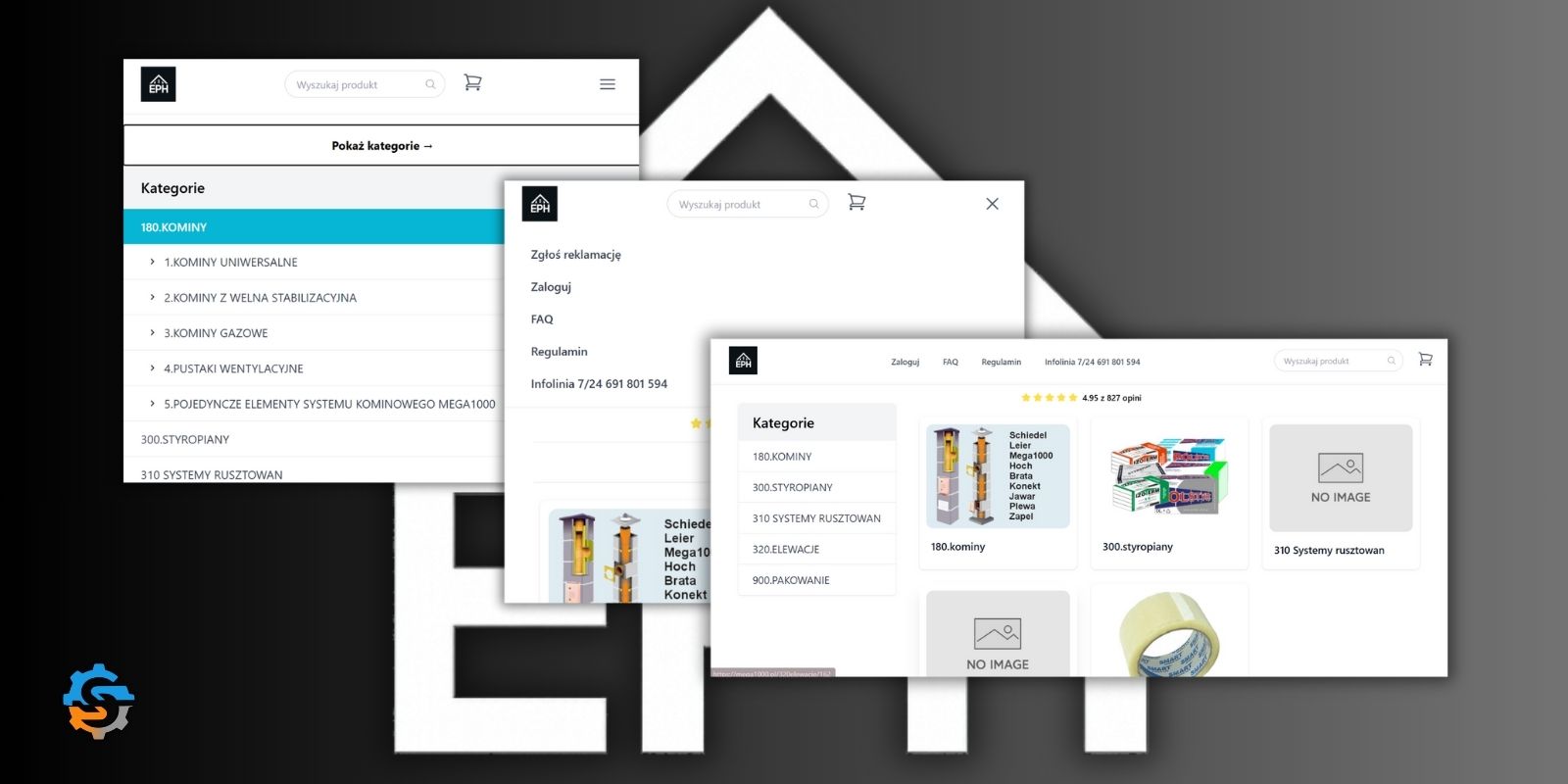
EPH Polska
The project for EPH Polska involved creating an advanced e-commerce platform based on a modern technology stack of Nuxt.js (frontend) and Laravel (backend). The main goal was to automate sales processes and implement intelligent AI algorithms supporting offer personalization and demand forecasting.
As part of the project, a communication layer was designed and implemented between the commercial modules and a machine learning-based recommendation engine. The algorithms analyze data on user behavior, purchase history, and seasonality to generate personalized offers in real time and dynamically adjust product prices.
The system was integrated with external logistics and payment APIs, enabling full automation of the path from order to fulfillment. The solution architecture was designed with scalability and easy expansion in mind — the Laravel backend utilizes a modular structure and product-level data caching, while the Nuxt.js frontend ensures fast SSR rendering and SEO optimization.
Thanks to the implementation of artificial intelligence and process automation, the platform allowed the client to increase sales efficiency, reduce operational costs, and improve conversion rates.
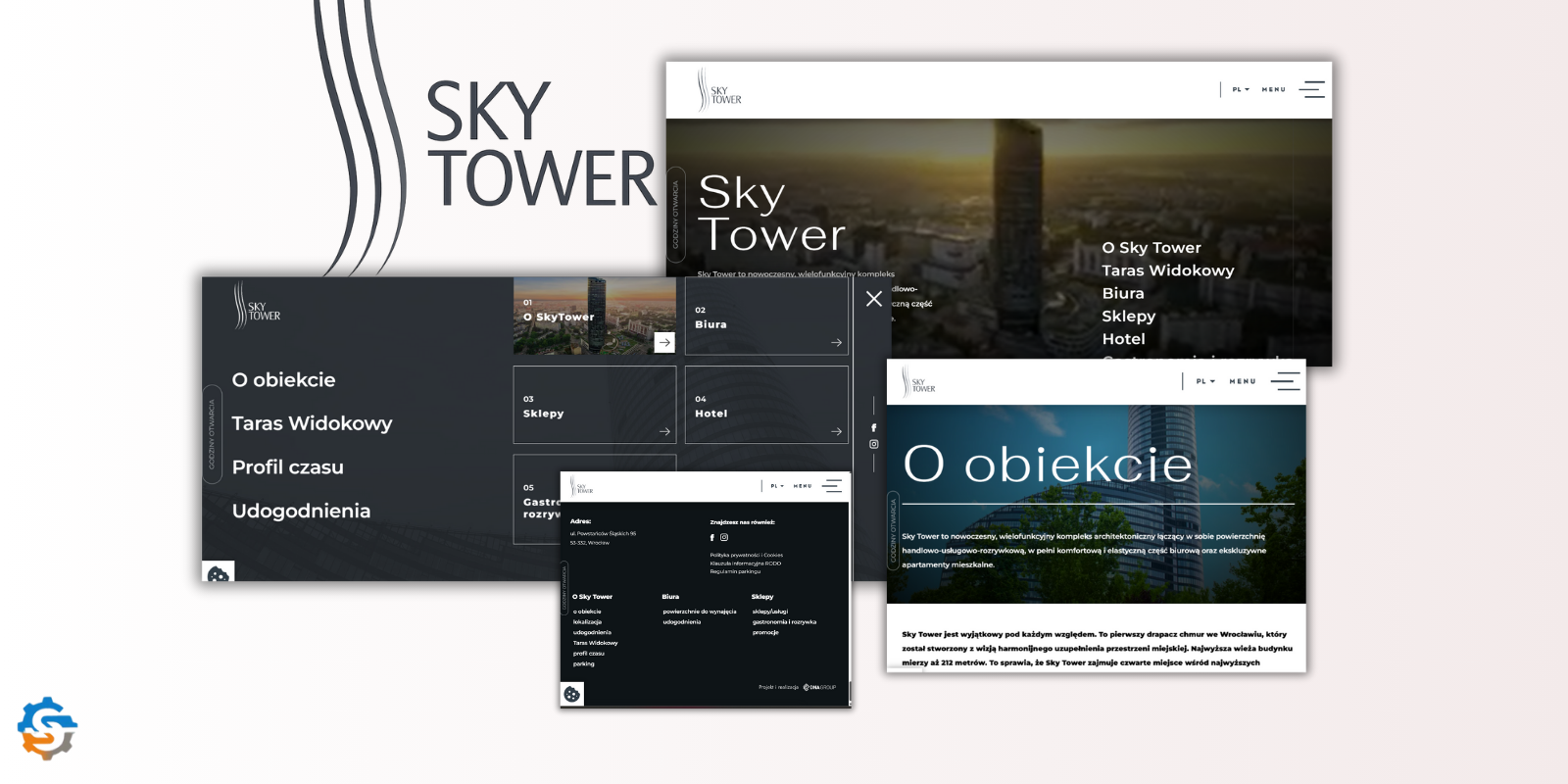
The Sky Tower project involves long-term collaboration in the maintenance, optimization, and development of the skytower.pl website. The aim of the collaboration is to ensure stable site performance, ongoing technological updates, and the highest level of security and efficiency in the production environment.
The site was built on the WordPress platform, and the scope of work includes comprehensive technical maintenance — from regular CMS, theme, and plugin updates, to performance monitoring and data backups. An automated post-update testing system was implemented, which detects potential code conflicts and functional errors before deploying changes to the production environment.
As part of the optimization, a Core Web Vitals analysis was conducted along with the implementation of solutions to improve page load speed: dynamic caching, GZIP compression, WebP image conversion, and SQL query optimization. As a result, the average page load time decreased by over 45%, and the Google PageSpeed score increased to 90+.
Security is also an important part of the collaboration. Multi-layered server and application protections were implemented, including a Web Application Firewall (WAF), automatic IP blocking for unauthorized login attempts, an SSL certificate, and a backup schedule with replication to an external server. Regular security audits and server log analysis are also performed.
Additionally, editorial support is provided for the client's marketing team — including content editing, event updates, and publishing promotional materials while maintaining visual consistency and SEO.
Thanks to consistent technical support and systematic optimization, the Sky Tower website operates reliably, is resilient to failures, and fully compliant with the latest security and performance standards.
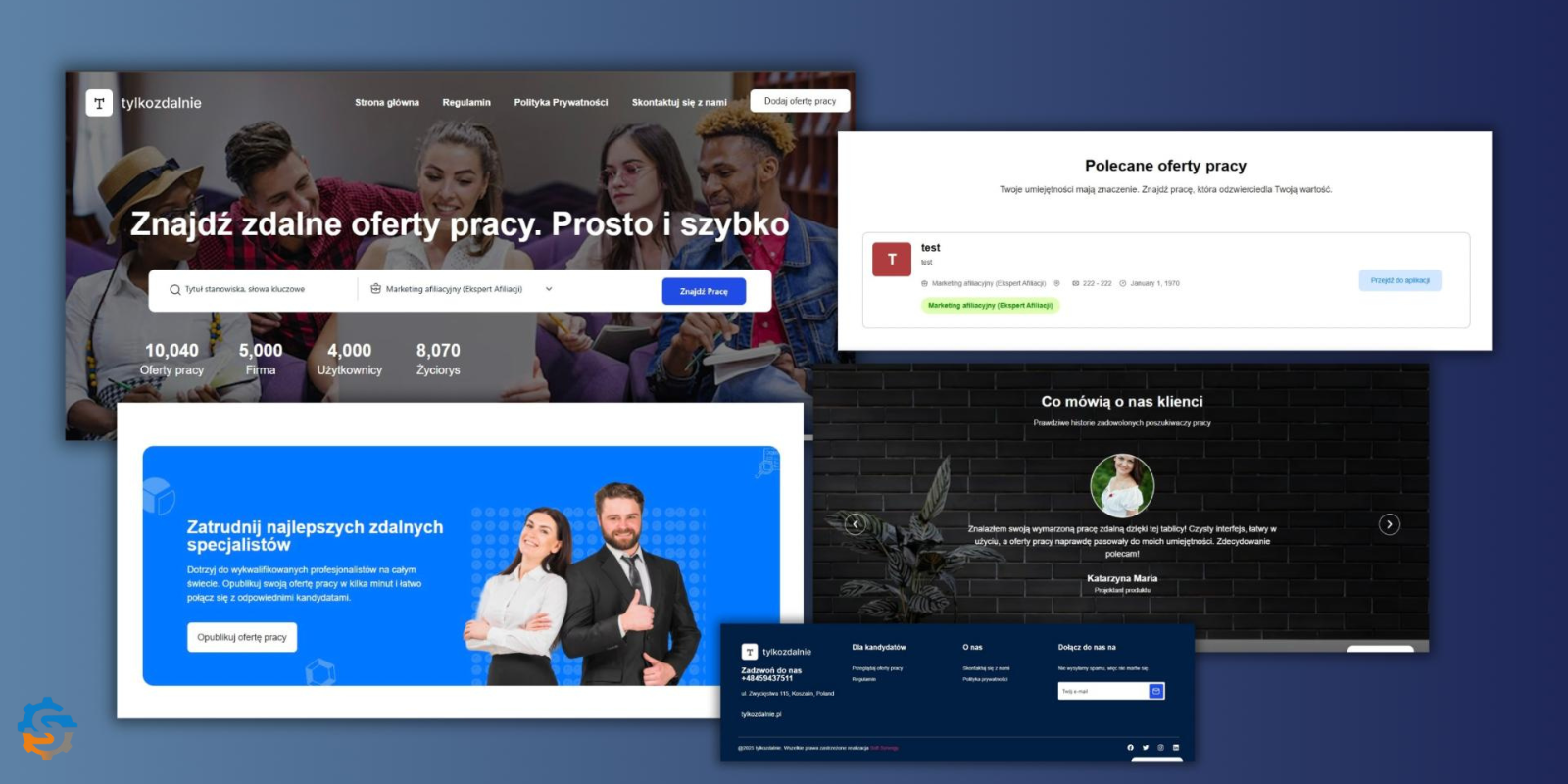
The Tylko Zdalnie project is a dedicated job offer portal focused exclusively on remote job listings. The goal of the implementation was to create an intuitive and flexible platform enabling both candidates and employers to easily publish and manage listings in real time.
The service was built on WordPress, which allowed for rapid prototyping and expansion with custom functionalities based on a proprietary theme and extensions written in PHP. A key element of the project was the admin panel, which enables full control over content, users, and the job offer publication process. The panel was optimized for workflow ergonomics and minimizing the number of clicks required to manage a large number of listings.
The content management system was expanded with custom post types, taxonomies, and meta fields, allowing the administrator to flexibly categorize offers and filter them by industry, employment type, or experience level. Additionally, an automatic archiving logic for outdated listings was implemented, which significantly streamlined the process of maintaining order in the database.
From a technical standpoint, the portal utilizes SQL query caching, media optimization, and an AJAX pagination system, ensuring high performance even with a large number of listings. The site is fully responsive, and the interface layout was designed with clarity and maximum usability in mind.
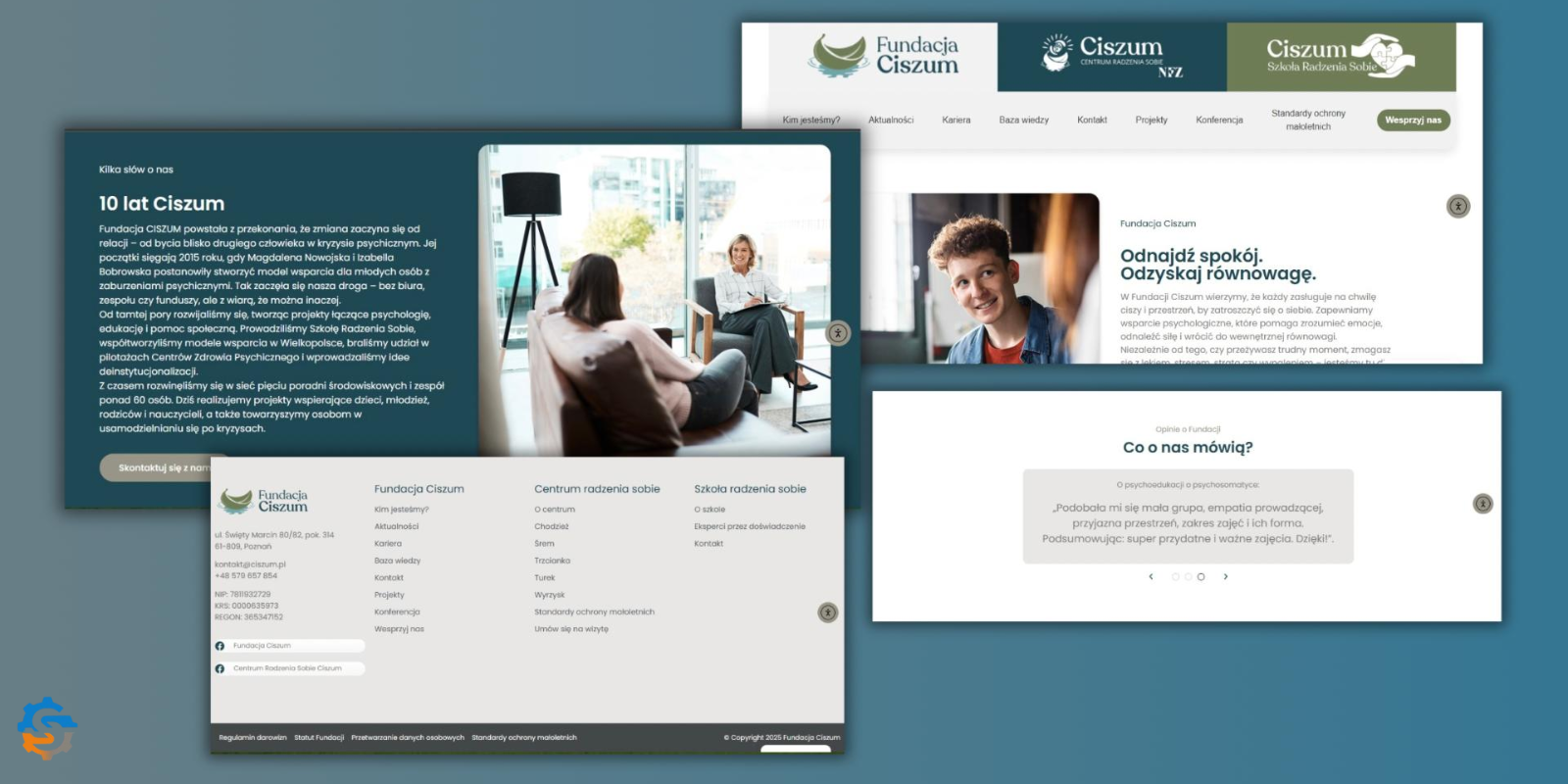
The Ciszum project was created for a foundation operating in the area of social integration and education, with an emphasis on digital accessibility and ease of use. The main goal of the implementation was to design a website that would be fully compliant with WCAG 2.1 standards, while offering a functional online registration system for workshops, events, and social initiatives.
The site was built on WordPress, with a custom theme adapted to accessibility requirements — high color contrasts, a logical heading hierarchy, alternative descriptions for multimedia, and full keyboard support were applied. Tools supporting visually impaired users were also implemented, including a font size adjustment option and a high contrast mode.
A key element of the project was the online registration module, enabling participants to quickly sign up for events without the need to log in. The system was based on a custom registration form with client-side and server-side data validation. After submitting the form, the user receives an email confirmation and the option to save the event to a calendar (Google / iCal). The foundation's administrator can manage submissions from the WordPress panel, export data to a CSV file, and mark participants as confirmed.
From a technical standpoint, full performance optimization, image compression, and lazy loading implementation were applied. The site was tested for compliance with WCAG AA guidelines, including color contrasts, form labels, HTML semantic structure, and keyboard navigation.
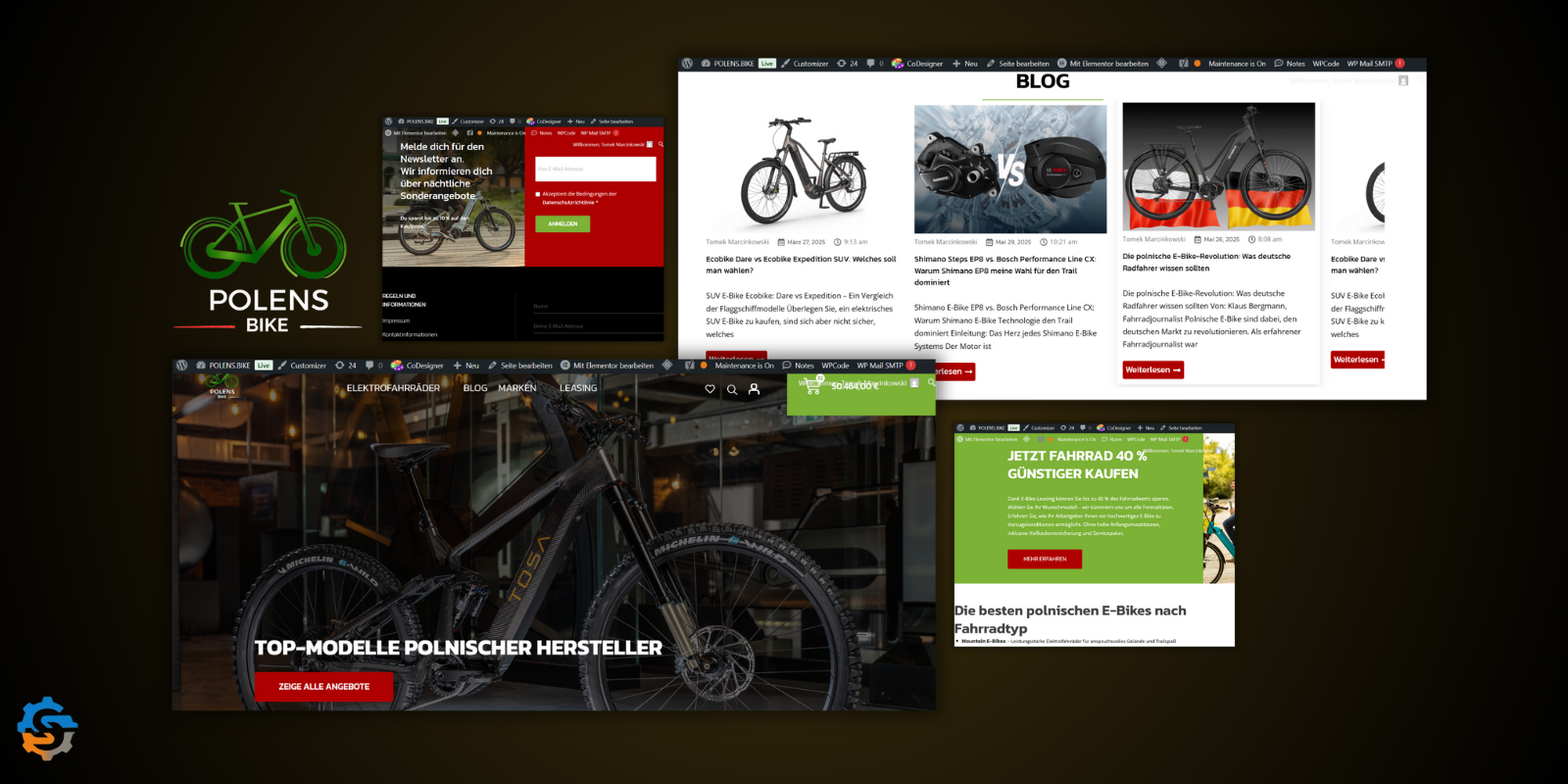
The Polens Bike project involved creating a modern and scalable online store for a bicycle manufacturer and distributor. The main goal was to combine extensive functionality with high performance and a maximally simplified shopping experience.
The store was built on WordPress and WooCommerce, with full front-end layer customization and extended shopping mechanics. The information structure was designed based on user behavior analysis, ensuring that the process of browsing, filtering, and configuring products is intuitive.
A key element of the project were advanced product filters, enabling dynamic searching by technical parameters (bike type, frame size, suspension, weight, price, etc.). The filters operate in real time thanks to the use of asynchronous AJAX requests, which eliminates the need for page reloading and significantly improves user comfort.
Product configurators were also implemented, allowing customers to customize their bicycle according to individual preferences. Each change in the configurator automatically updates the price and visual product preview, utilizing a combination of PHP, JavaScript, and custom WooCommerce hooks.
The system was integrated with external payment gateways, courier systems, and CRM tools, ensuring full automation of the order process. At the optimization layer, data caching, media compression, and lazy loading were implemented, allowing the site to maintain high performance despite a large number of products.
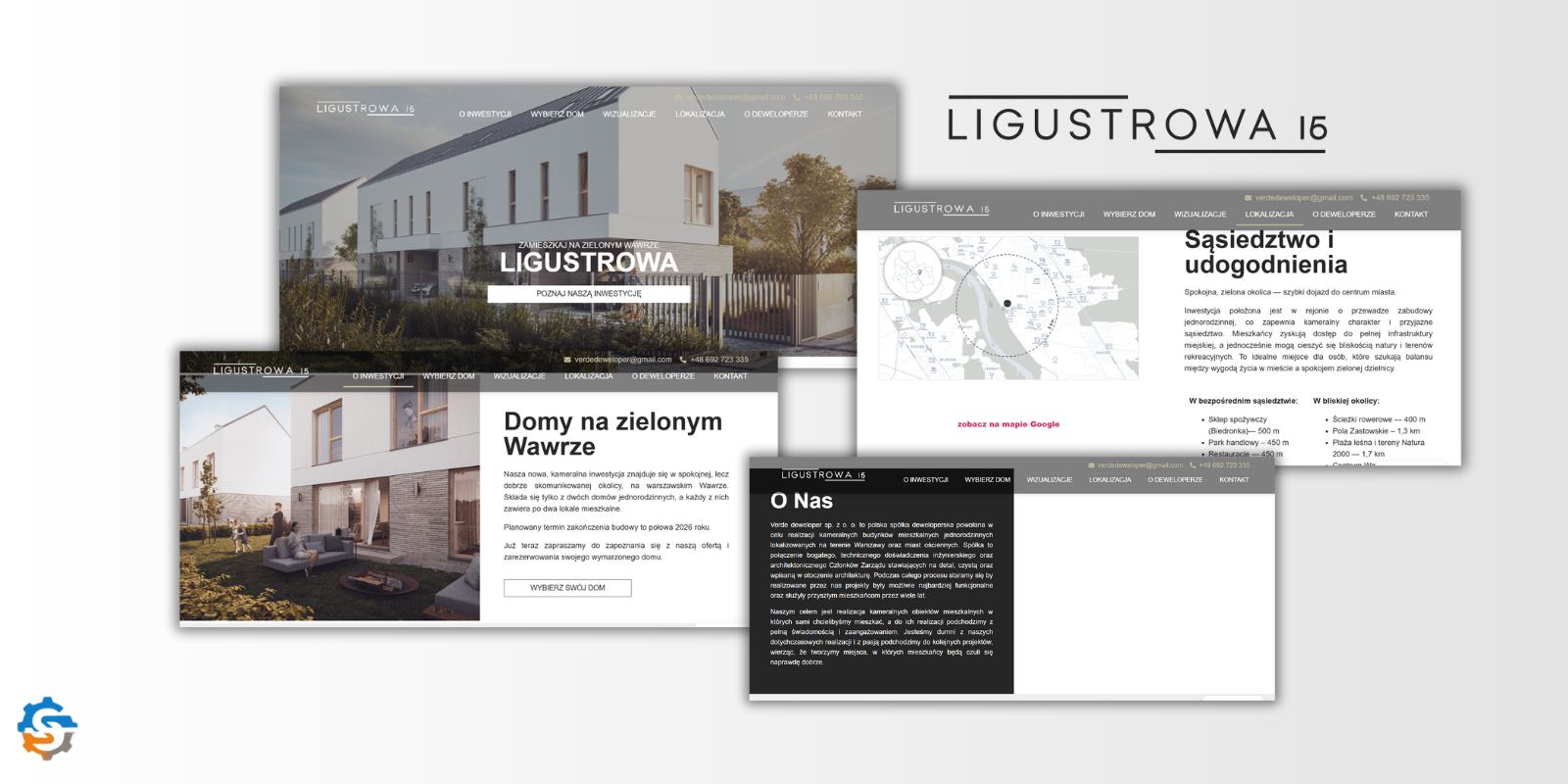
The Ligustrowa project was developed for a developer specializing in the construction of modern single-family housing estates. The goal was to create an interactive website that not only presents the investment, but also allows users to actively participate in the process of selecting and configuring a home.
The central element of the project was a home configurator, enabling personalization of the investment according to the client's preferences — from choosing the floor area and room layout, to selecting finishes and additional options. The tool was connected to a cost calculator, which recalculates the investment value in real time depending on the selected parameters. The system utilizes dynamic data updates (AJAX) and conditional logic, ensuring smooth interaction and immediate interface response.
From a design perspective, a key aspect was designing the UX/UI in a clear and user-friendly manner. The configuration process was divided into intuitive stages with a visual progress preview, and the interface was based on the principles of "progressive disclosure", so that the user sees only the most relevant options at any given moment.
At the technical layer, optimized front-end components and asynchronous backend communication were applied, which allowed for a significant reduction in loading time and improved configurator performance. The entire solution was designed in a modular way to allow the developer to easily expand the offer with additional real estate projects.
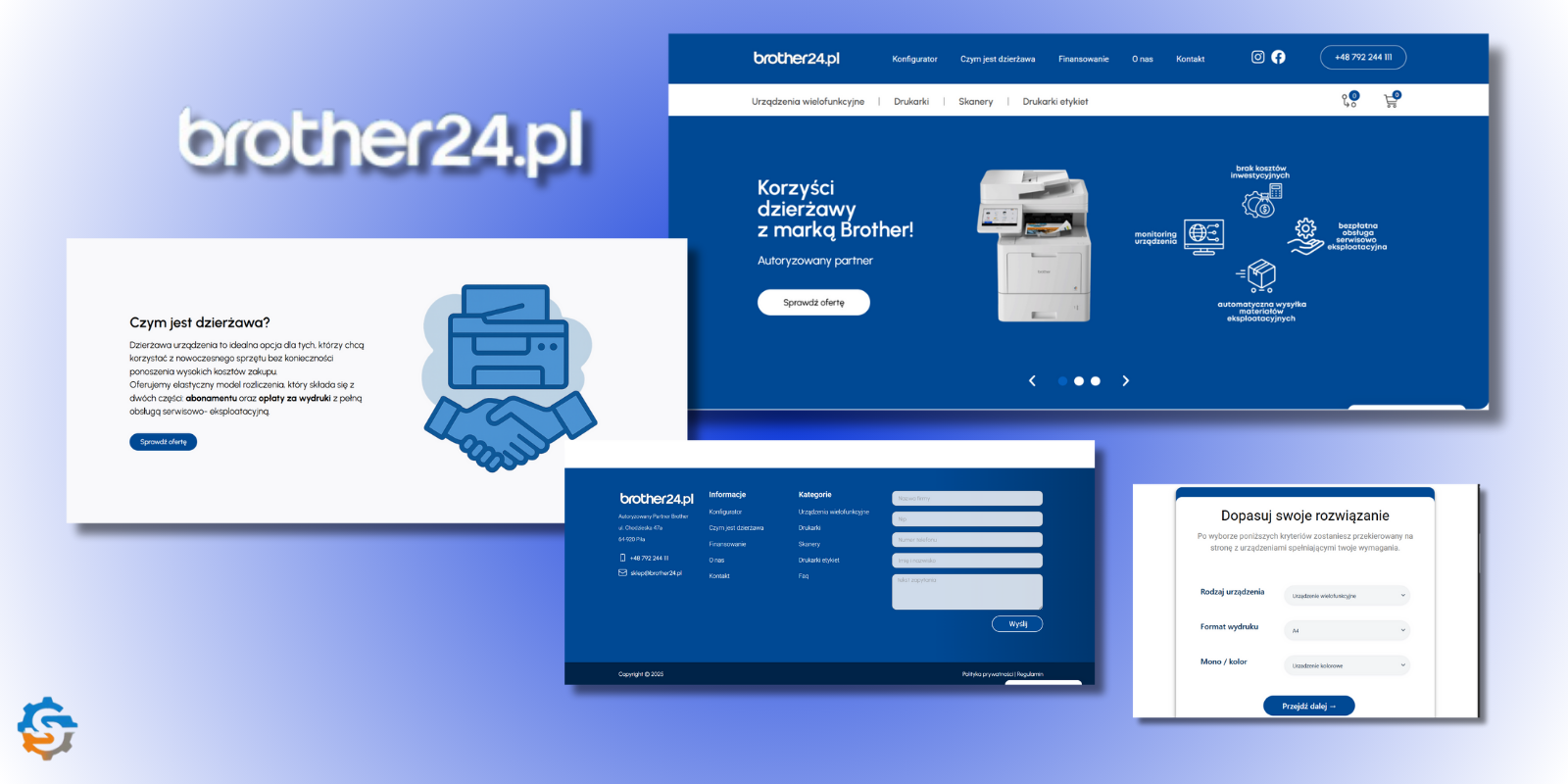
The Drukarki – Product Comparison project was developed as a modern product portal enabling users to analyze, filter, and compare office and industrial printer models. The main goal of the implementation was to create an intuitive offer comparison system along with the integration of a leasing module and a monthly cost calculator.
The portal was built on WordPress, with a dedicated theme designed for performance and advanced comparison logic. The created product comparison module allows the user to compare any printer models in terms of technical parameters, operating costs, print speed, or energy consumption. The entire system operates based on dynamic AJAX queries that update data in real time, without page reloading.
Additionally, a leasing calculator was implemented, which automatically calculates the monthly installment amount depending on the selected printer, financing period, and own contribution. The system was integrated with an external leasing API, enabling users to submit a preliminary application directly from the site. In the case of integration with a larger number of leasing providers, the data is processed through an intermediary layer, ensuring flexibility and security of information transmission.
From a UX/UI perspective, a clear and interactive interface was designed, allowing the user to smoothly navigate between comparisons, save configurations, and generate PDF summaries. The entire solution was optimized for performance — product data caching, image lazy loading, and WebP compression were implemented.
The portal meets technical SEO requirements, has user-friendly URLs, and a data structure based on schema.org, which increases the visibility of printer models in search results.
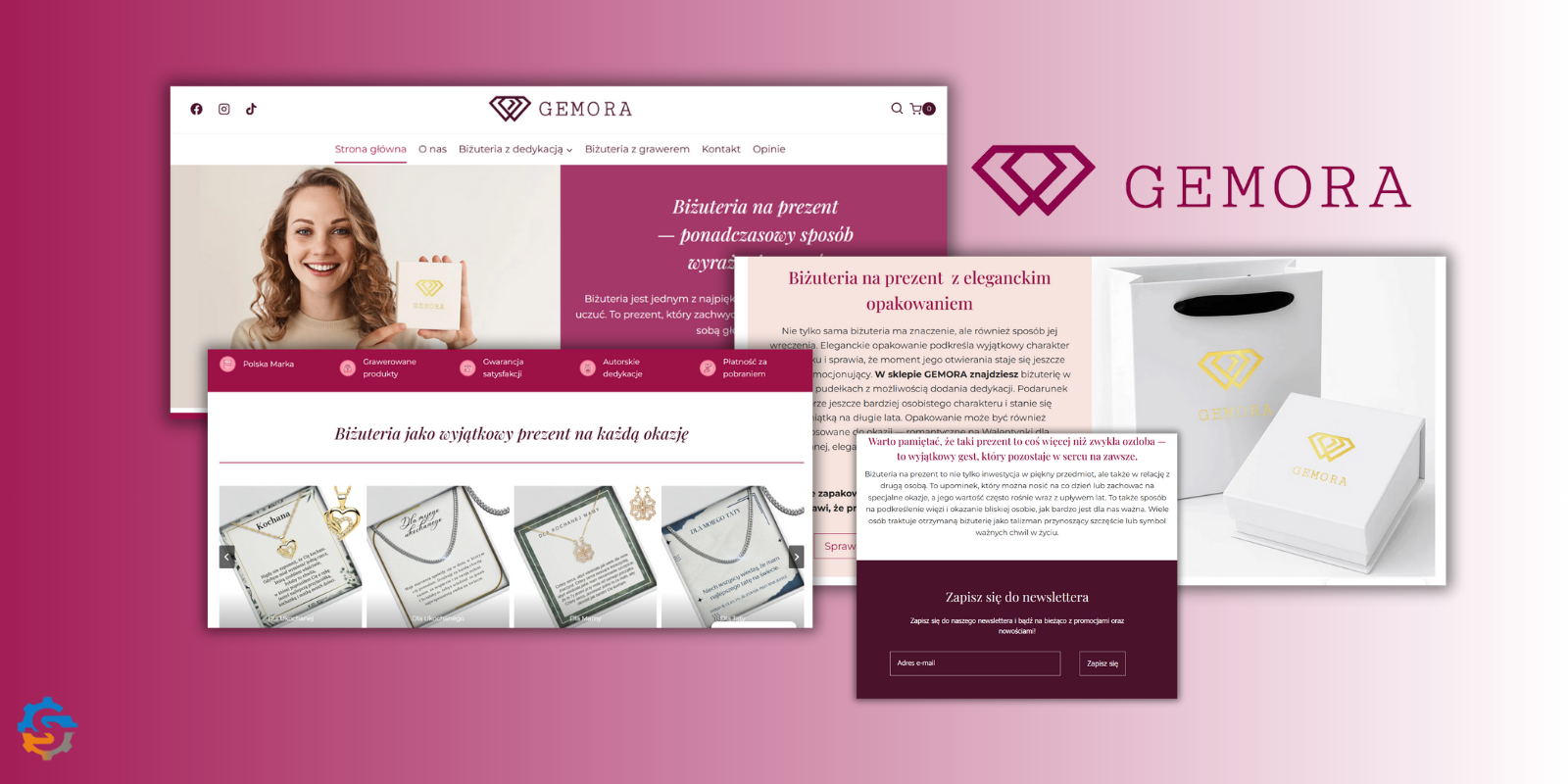
The Gemora project is the implementation of a luxury online jewelry store, in which aesthetics, user experience, and product personalization play a key role. The goal of the implementation was to combine elegant premium design with efficient e-commerce architecture and an intuitive offer management system.
The site was built on WordPress and WooCommerce, with a complete redesign of the template structure in the direction of Luxury Design — focused on minimalism, contrasts, and refined typography. Every element of the interface was developed with the user experience typical of luxury brands in mind: smooth animations, subtle transition effects, and a clear visual layout build a sense of exclusivity.
The key distinguishing feature of the project are custom product cards, individually designed for different types of jewelry. Each card integrates an interactive detail preview, dynamic color variants, and a personalization function — the client can customize, for example, the type of stone, gold color, or engraving. The personalization process is supported by logical conditional dependencies, which ensure the consistency of choices and automatically update the price in real time.
From a technical standpoint, an extensive performance optimization system was implemented: query caching, 4K image lazy loading, WebP compression, and resource prefetching, which allowed maintaining high visual quality with a short loading time. On-site SEO and compliance with Core Web Vitals requirements were also ensured.
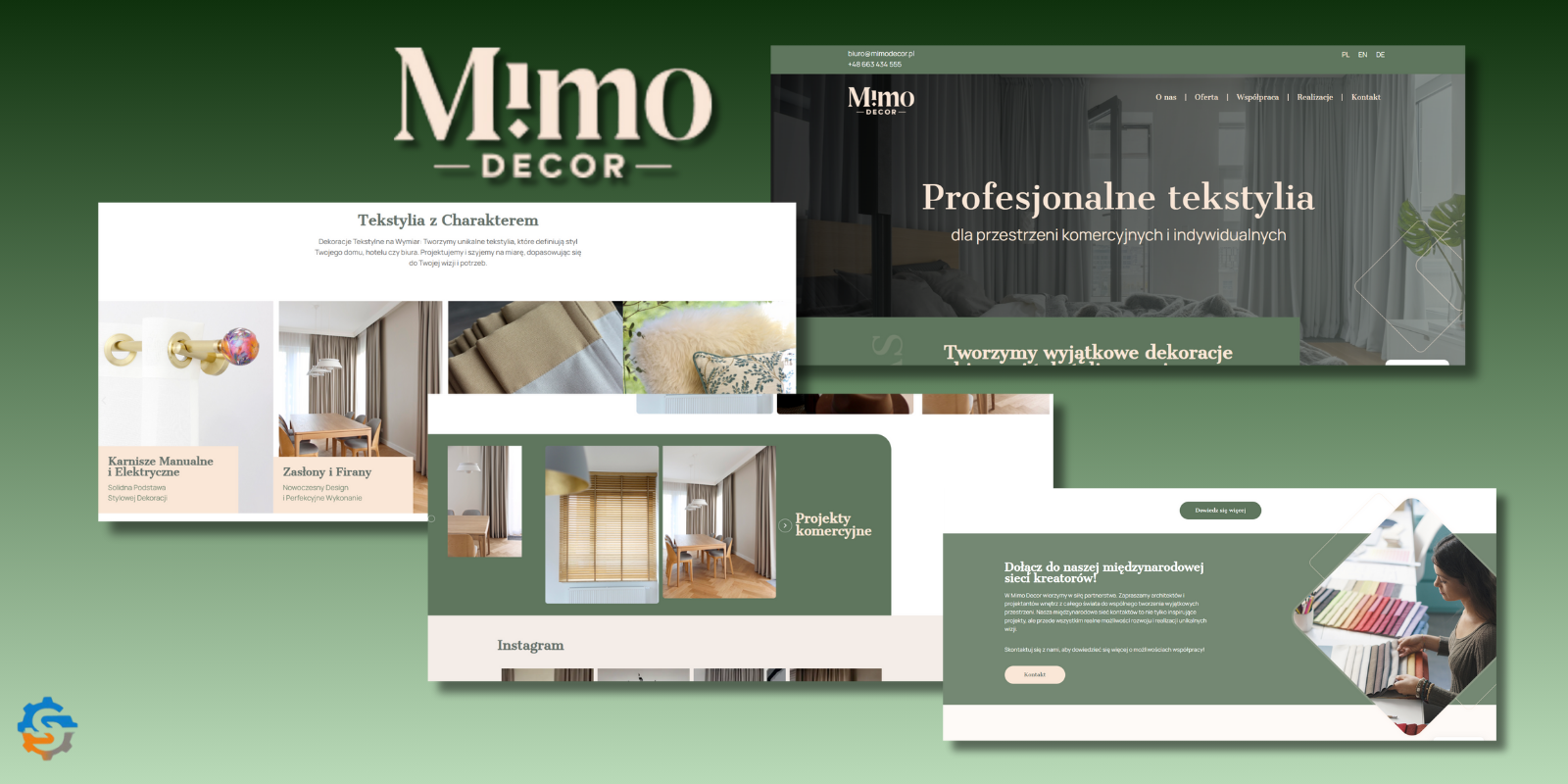
The Mimo Decor project was created for a brand in the interior decoration industry, whose goal was to combine aesthetics with functionality. The site was intended to serve both as a brand showcase and a dynamic gallery presenting the latest realizations and inspirations from social media.
The site was built on WordPress, with a custom theme adapted to the specifics of the visual design industry. The interface was designed based on the "content-first" principle — the main element is high-quality photos of products and realizations, complemented by subtle typography and a minimalist layout. The whole creates a light, elegant design that emphasizes the brand's style and builds a positive visual experience.
The key functionality of the project was the integration with the Instagram API, thanks to which the latest brand posts are automatically displayed on the site without the need for manual content updates. The implementation was carried out using REST API requests and result caching, which ensures fast loading and minimizes the number of requests to the external server. Additionally, fallback content was introduced, ensuring that the gallery maintains an aesthetic appearance even in the event of temporary API unavailability.
From a technical standpoint, image compression to WebP format, lazy loading, and code structure optimization for Core Web Vitals were implemented. The site is fully responsive and was adapted for display on mobile devices with an emphasis on lightness and smooth scroll animations.
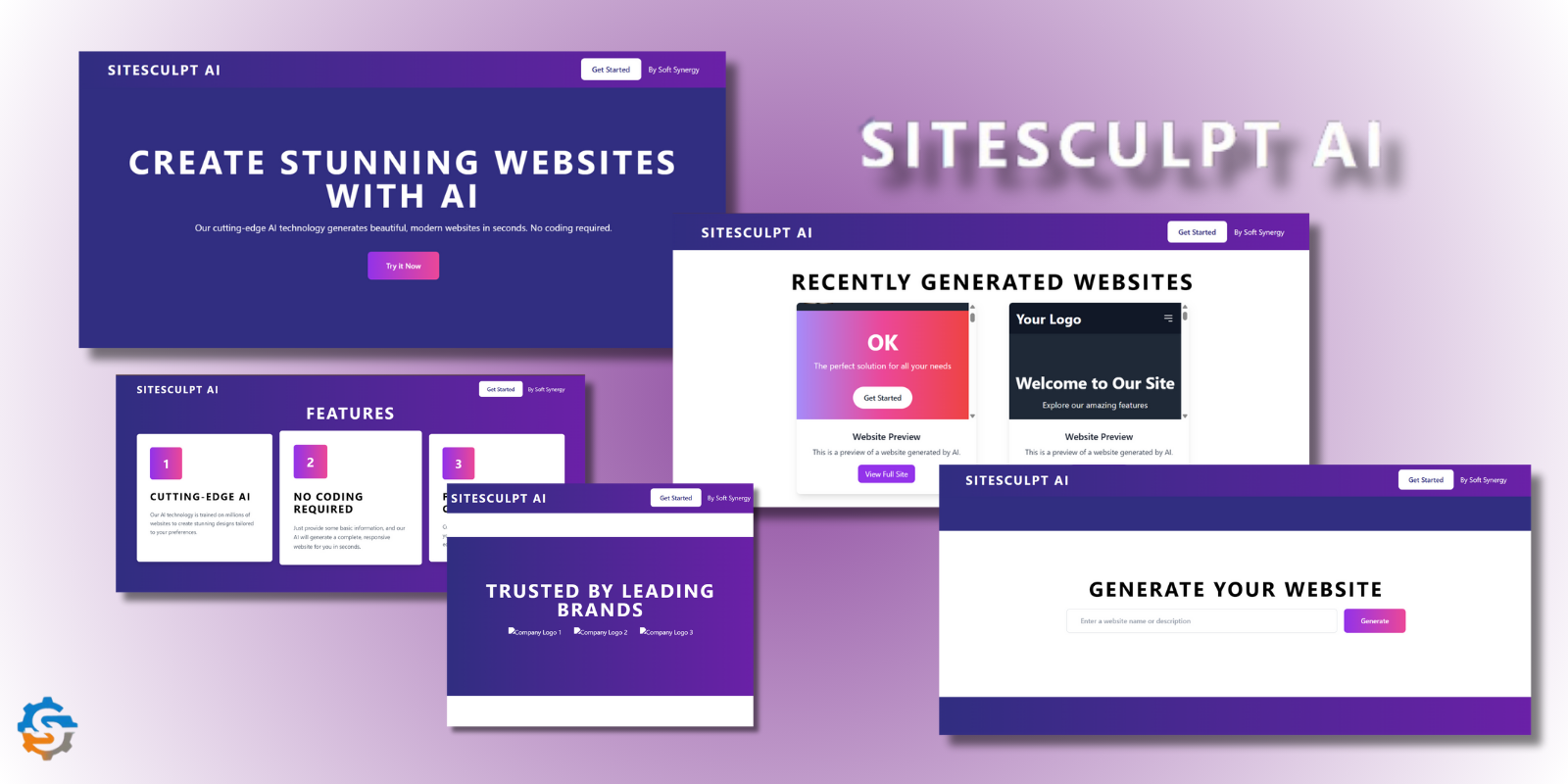
The SiteSculpt project is an advanced system based on artificial intelligence, designed for the automatic generation and optimization of landing pages for marketing campaigns. The main goal was to create a solution that combines the flexibility of frontend and backend frameworks with the power of AI algorithms, enabling marketers to quickly create conversion-optimized pages — without the need for programming intervention.
The application was built on Nuxt.js (frontend) and Express.js (backend API). The client layer handles the generation of page structure and layout in real time, using a dynamic template engine defined in JSON format. The backend, in turn, is responsible for machine learning logic — including the analysis of the effectiveness of previous campaigns, recommendations of converting elements, and content personalization.
The key element of the project is the AI Generator, which combines data from previous campaigns, user statistics, and external marketing sources to automatically create proposals for page layouts, headlines, CTAs, and content. The system uses NLP models to analyze persuasive language, and then adapts the communication style to the industry, target audience, and traffic acquisition channel (e.g. Google Ads, Meta Ads, LinkedIn).
The built-in automatic optimization module monitors the conversion rate in real time and modifies the layout or text of the landing page based on user behavioral data (A/B testing with dynamic traffic allocation). Each generated page is automatically hosted in the cloud, utilizing CDN and resource optimization for maximum loading speed.
From an architectural standpoint, the project was designed in a modular way — the Express.js API handles independent microservices, enabling easy system scaling. Additionally, integrations with marketing tools such as Google Analytics, Meta Pixel, and HubSpot CRM were implemented, allowing for full automation of the lead generation path.
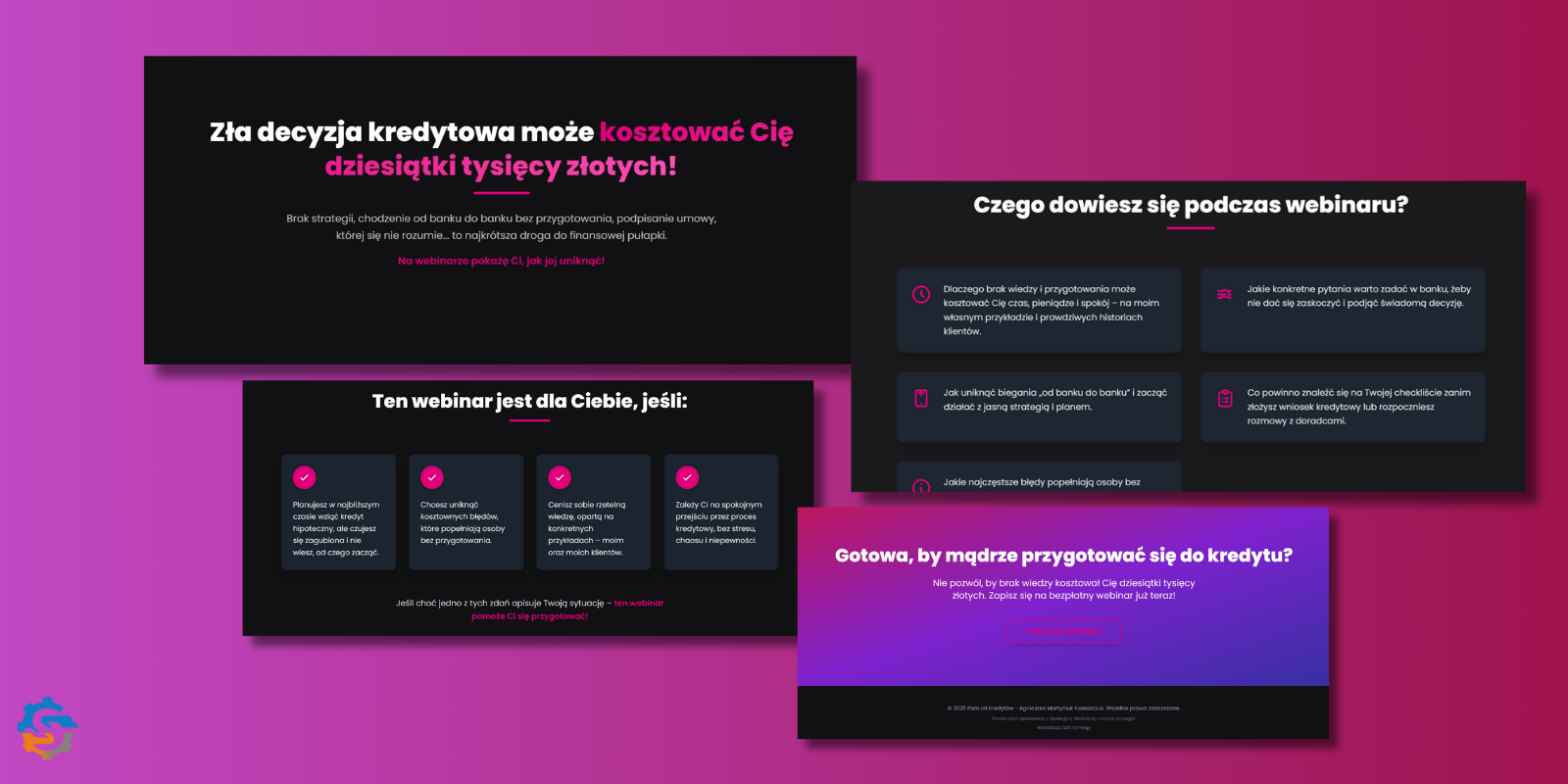
The PaniOdKredytów project was implemented as a modern marketing system built around a sales funnel integrated with the WebinarJam platform. The goal of the implementation was to acquire and convert leads through the automation of webinar registrations, reminders, and email follow-ups, based on a fully automated user path.
The site was built on WordPress, which served as the central content management and integration base. A dedicated landing theme optimized for conversion was created, with a clear CTA, social proof section, and automatic participant registration to the WebinarJam database. Communication between the systems takes place via the WebinarJam API, which enables dynamic retrieval of event data and user registration without leaving the site.
The funnel was designed with sales psychology and UX in mind — after filling out the form, the user enters a sequence of automatic reminder messages about the event, and after the webinar ends, the system directs them to a personalized page with a financial services offer. The entire solution is supported by integration with email marketing tools (MailerLite / ActiveCampaign), which synchronize participant data and track user behavior in real time.
From a technical standpoint, caching mechanisms, JS and CSS script minimization, and page load time optimization were implemented in order to maximize the conversion rate. The HTML structure was designed in a way that facilitates marketing analytics and integration with tools such as Google Tag Manager and Meta Pixel.
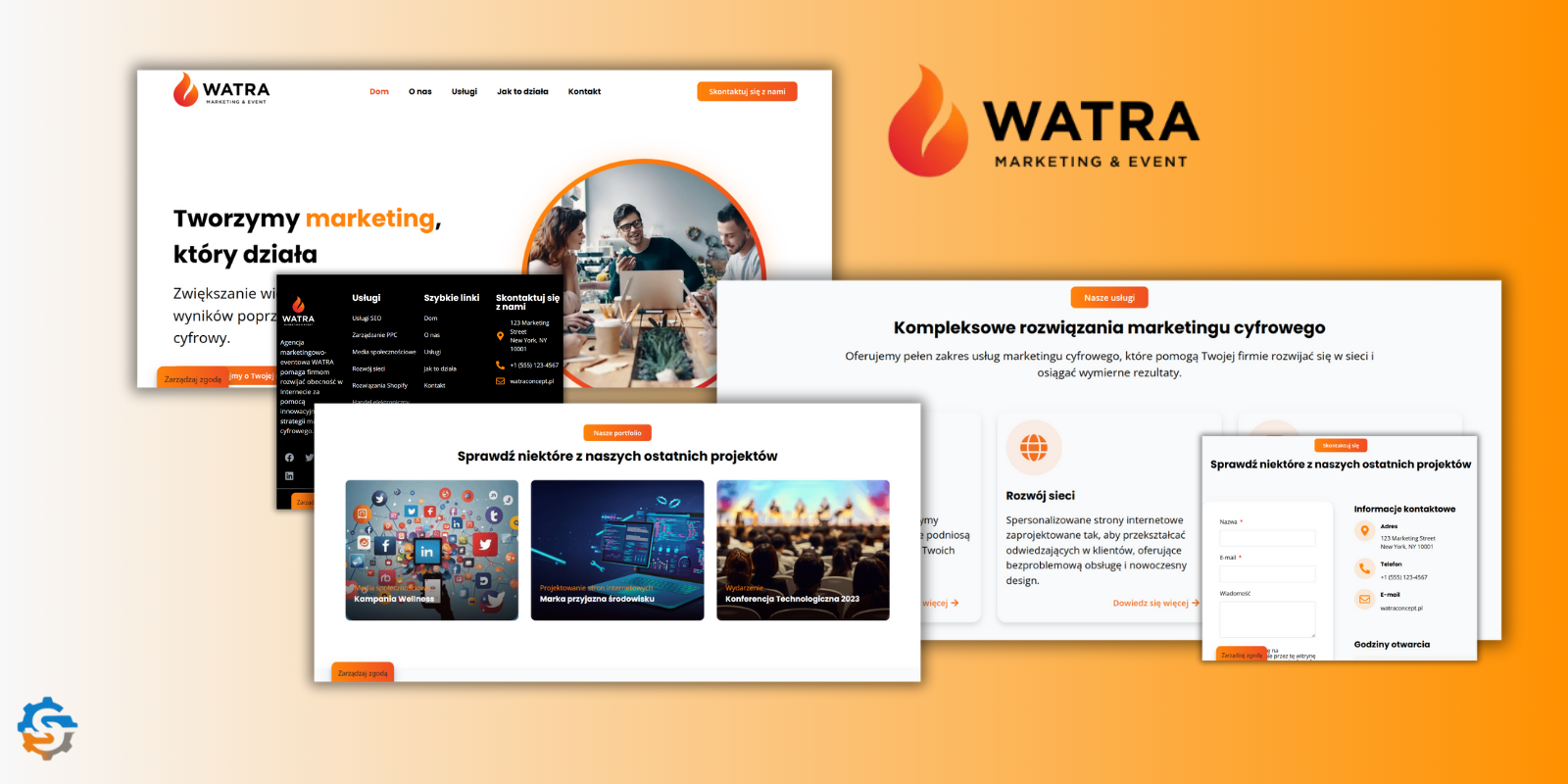
The Watra Event project involved creating a modern landing page dedicated to an industry event organized by the client. The goal of the implementation was to prepare a lightweight, fast, and fully responsive website that effectively supported marketing activities and enabled users to quickly access information about the agenda, speakers, and event registration.
The site was built on WordPress, using a lightweight theme optimized for performance and SEO. The structure was designed so that the user could intuitively navigate between key sections — agenda, speakers, sponsors, contact form, and online registration. A logical content layout based on UX design principles was applied, which facilitates navigation and increases the registration conversion rate.
Within the front-end layer, CSS-based animations and lightweight scroll effects (scroll reveal) were implemented, giving the site a modern, event-oriented character. The entire solution was optimized for promotional campaigns — the landing page loads in under 1 second (GTmetrix 98+), and each section has a dedicated anchor point for advertisements (deep linking from Google Ads and Meta Ads).
The registration form used was connected to the client's CRM system, enabling automatic transfer of participant data and generation of registration confirmations. Integration with analytics tools (Google Analytics 4, Meta Pixel) was also implemented in order to track the effectiveness of advertising campaigns.
From a technical standpoint, image optimization (WebP), lazy loading, resource caching, and GZIP compression were carried out. The site is fully responsive and adapted for use on mobile devices, which was crucial for the target audience primarily using smartphones.
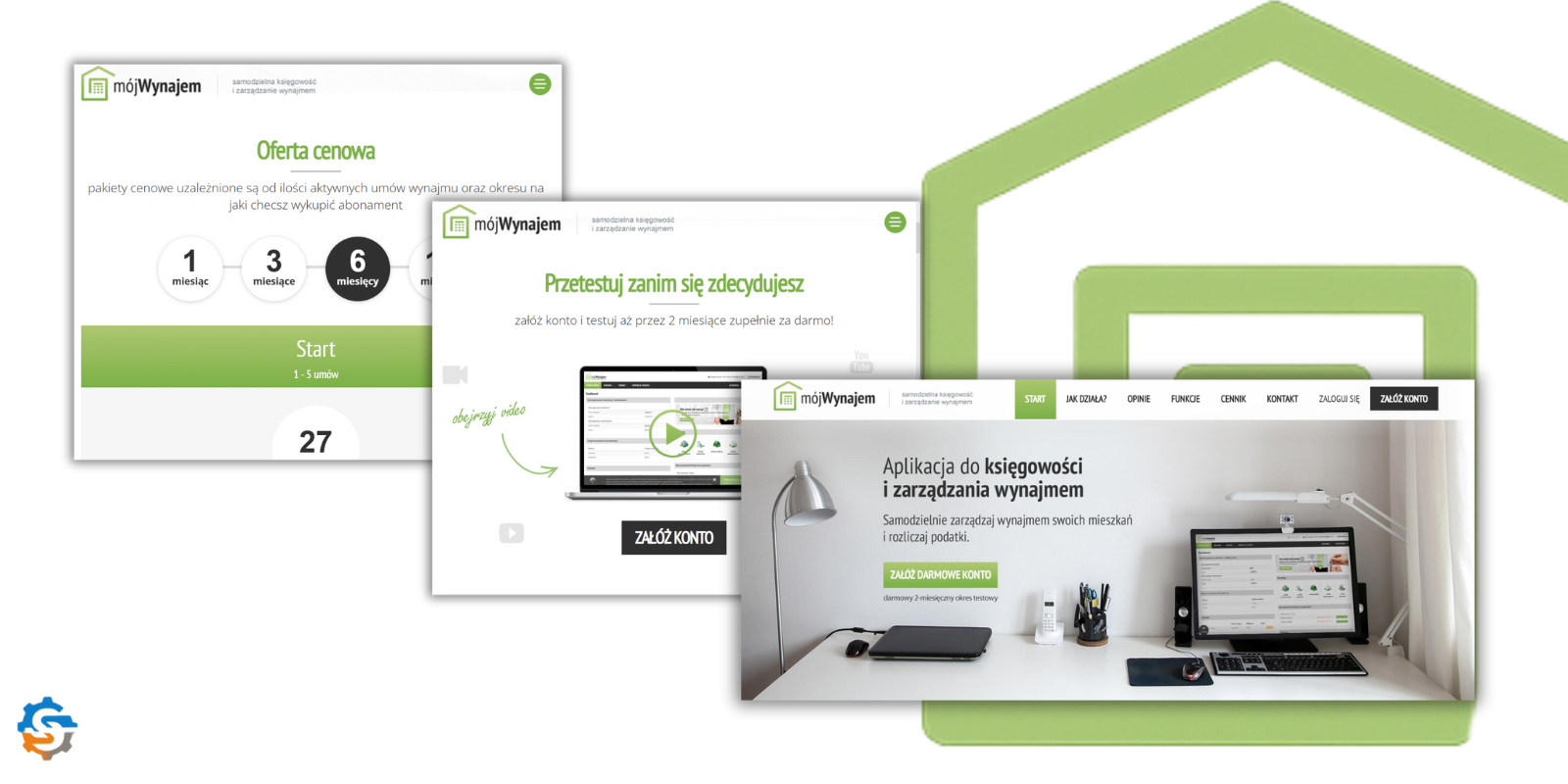
The Mój Wynajem project involved development and optimization work on an existing listing portal with rental property offers. The main goal of the implementation was to introduce a series of UX/UI improvements and performance optimizations, which were intended to improve user experience and increase contact form conversions.
The service was built on the WordPress platform, and the work included modernization of the interface and improvement of key modules — including the listing search engine, location filters, and user panel. User-centered design principles were applied, focusing on simplifying the apartment search process and increasing the clarity of results.
As part of the optimization activities, a Core Web Vitals analysis was performed and technical changes were implemented: image compression, lazy loading, resource caching, and reduction of the number of HTTP requests. CSS and JavaScript code was also optimized, which significantly reduced page load time and improved the smoothness of the interface.
The project team also implemented minor graphic improvements and micro-interactions (including hover animations and active button states), which positively influenced the perceived quality of the portal. Contact and registration forms were simplified, as a result of which the rate of submitted inquiries increased by approximately 25%.
Thanks to the introduced changes, the Mój Wynajem service gained a clearer, more modern appearance and better technical performance, and users gained faster access to offers of interest to them. The project is an example of effective UX and technology optimization without the need for a complete portal rebuild.
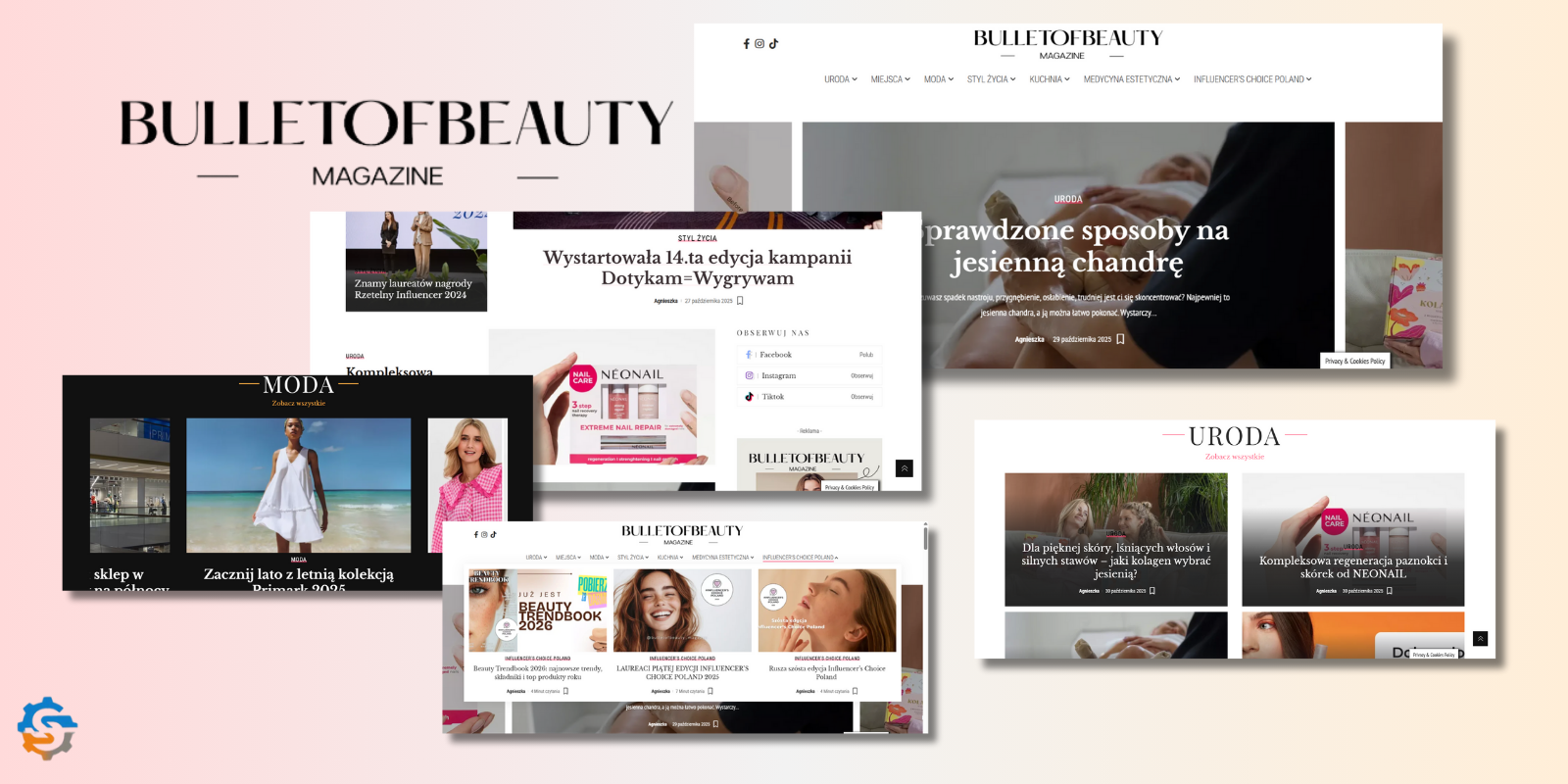
Bullet of Beauty is a website project dedicated to fashion and beauty for women, created with the aim of combining elegance, functionality, and inspiration. The goal of the implementation was to design an online space that not only presents editorial content and beauty tips, but also builds the brand image as modern, feminine, and aesthetically conscious. Work on the project began with an analysis of the target audience — women who value style, quality, and authenticity. On this basis, a visual concept was developed combining minimalism with subtle, luxurious accents.
The site was designed based on a responsive layout that ensures comfortable browsing on both computers and mobile devices. Great emphasis was placed on clarity, intuitive navigation, and visual consistency. A muted color palette, elegant typography, and high-quality photos emphasize the feminine character of the brand, creating an atmosphere of lightness and refinement. The project was implemented using WordPress, with attention to fast performance and simplicity of content editing.
The end result is a modern, aesthetic website that combines functionality with an emotional message. "Bullet of Beauty" has become a place where users can find inspirations, tips, and product recommendations in a setting that reflects their style and aspirations.
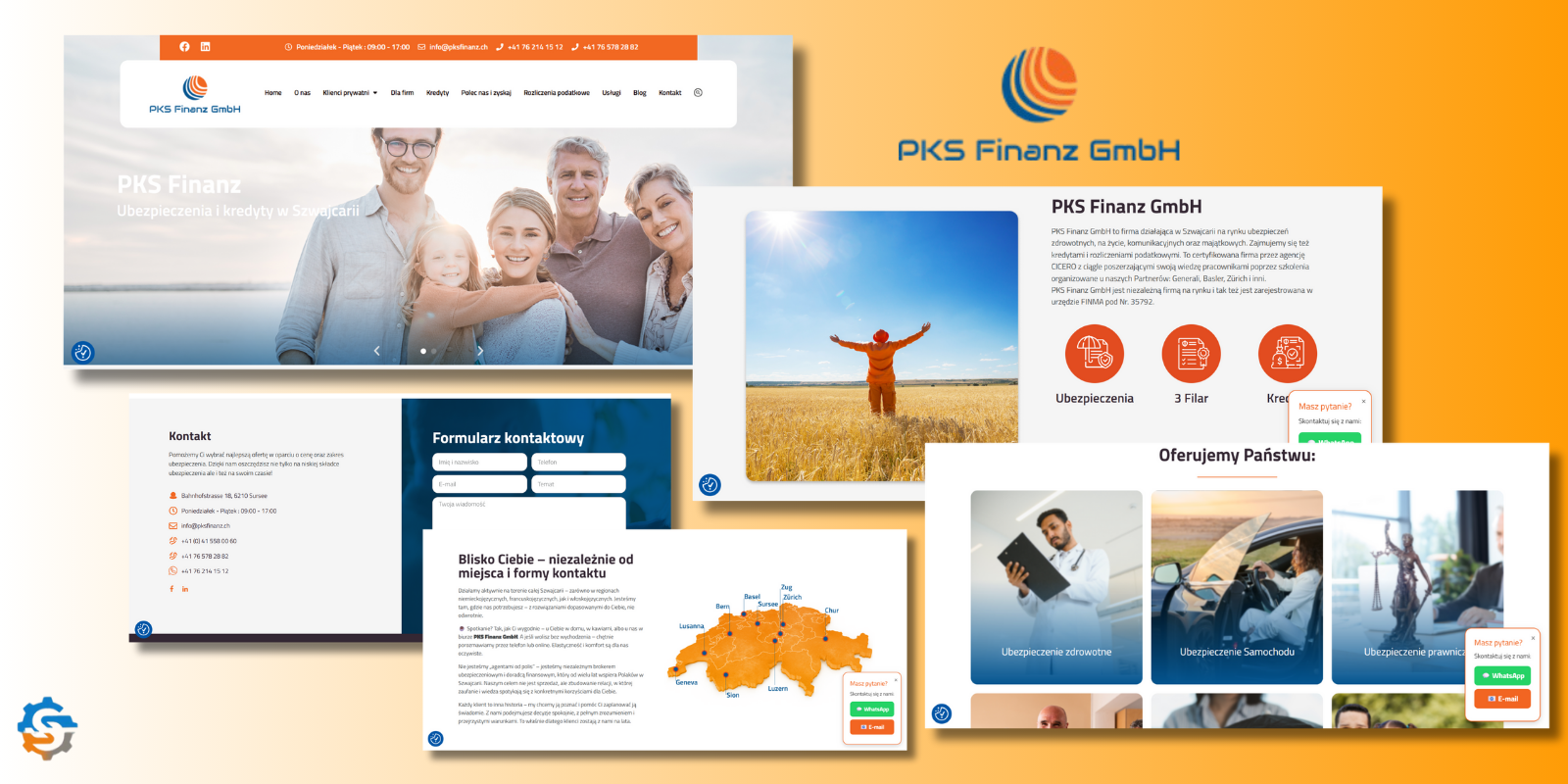
The project involved designing and implementing a modern website for PKS Finanz GmbH, a company specializing in financial and insurance advisory services on the Swiss market. The goal of the implementation was to create a clear, professional platform presenting the company's offer and facilitating client contact and quick comparison of available insurance options.
The site was designed based on aesthetics characteristic of the financial sector — neutral colors, simple typography, and a clear content layout dominate. A responsive design was applied, ensuring the site operates smoothly on all devices, from computers to smartphones.
During the implementation, the focus was placed on usability and trust — key elements in the insurance industry. Intuitive inquiry forms, a section with offers and advice, and a contact module directing users directly to advisors were added. As a result, the site became an effective tool for acquiring clients and supporting the sales of financial services in Switzerland.
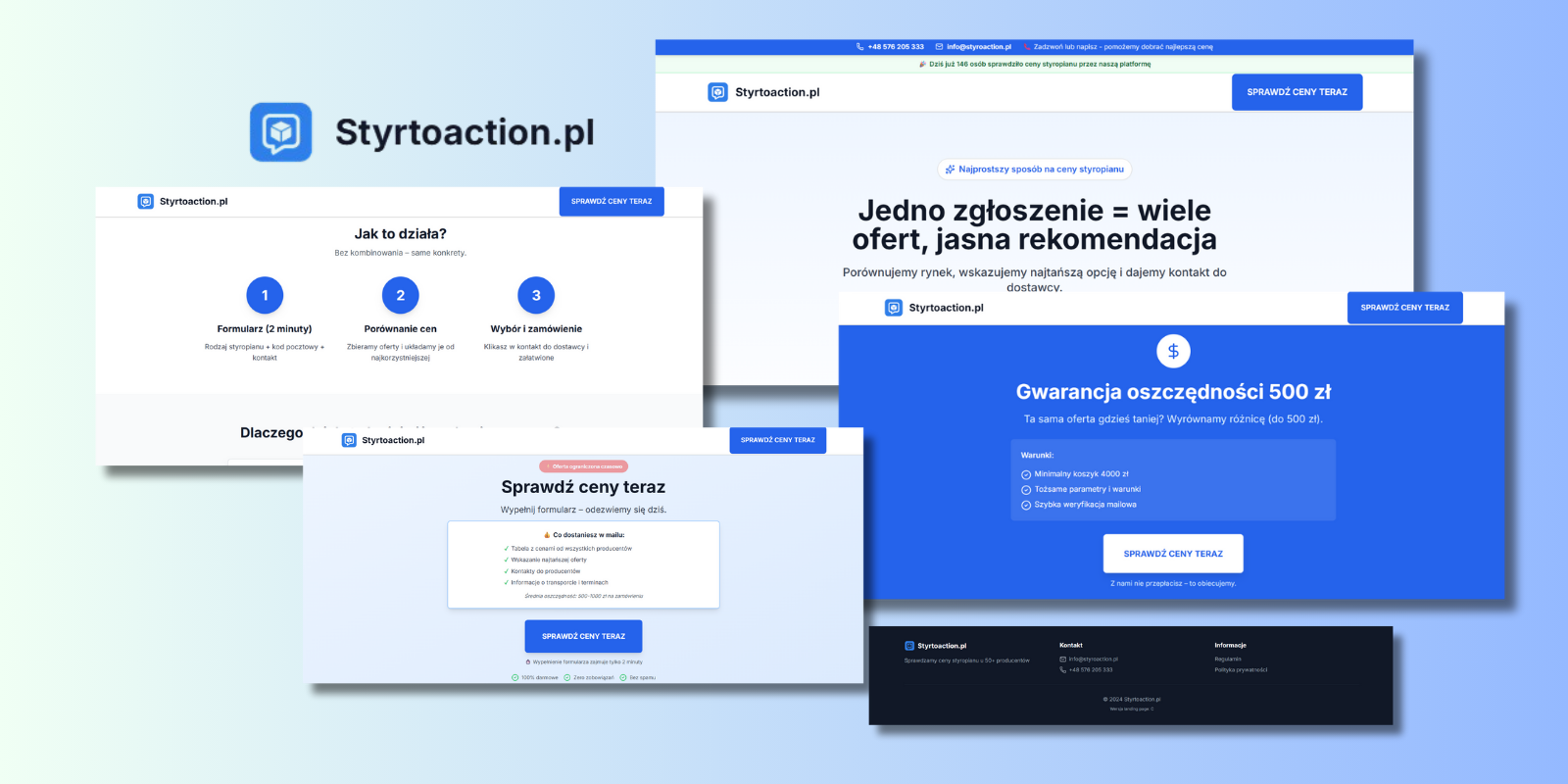
The Styroaction project is a comprehensive online platform enabling automatic monitoring and comparison of polystyrene prices available on the market. Our task was to prepare a solution that allows users to quickly and conveniently analyze the dynamically changing prices of building materials. Based on Node.js technology, we created an efficient backend responsible for downloading and aggregating data from multiple sources simultaneously, while the React frontend provided a modern, clear interface allowing for intuitive filtering and browsing of results. The platform was equipped with an automatic price update module, an administration panel for managing data sources, and a notification system that informs users about significant market changes. The result of the work is a scalable and fast tool that significantly shortens the price analysis process and supports users in making accurate purchasing decisions. Thanks to the flexible architecture, the project can be easily expanded with additional product categories or extra features, making it a solid element of the technology portfolio.
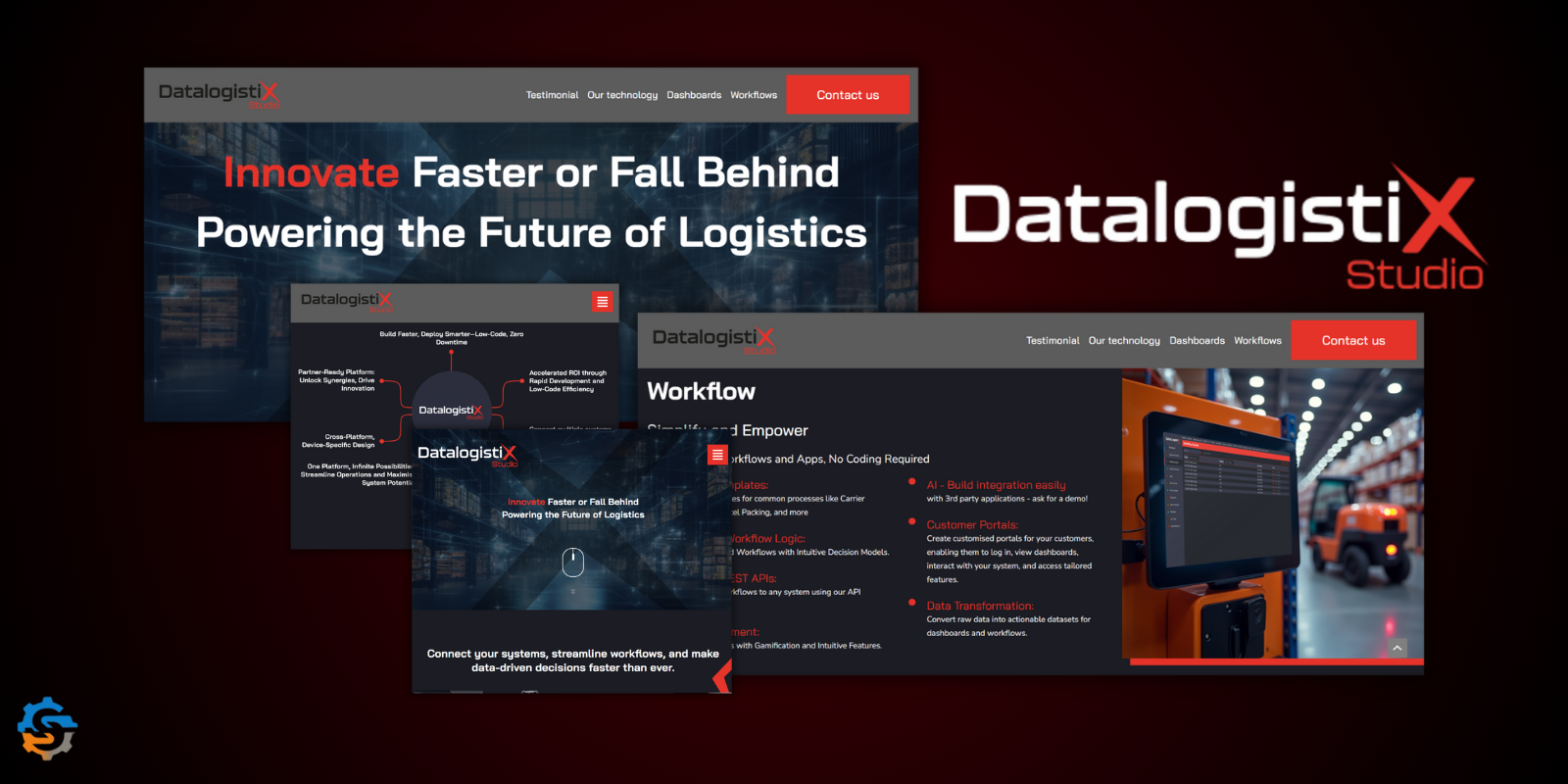
The Data Logistix project involved designing and implementing a modern corporate website, whose goal was to emphasize the professionalism of a technology brand operating in the logistics and analytics industry. The key assumption of the project was to achieve full visual consistency with the brand identity and to deliver the project to a pixel perfect standard, guaranteeing an ideal reproduction of the graphic design in the browser environment.
The site was built on WordPress, with a dedicated theme built from scratch based on a modern front-end stack (HTML5, SCSS, JavaScript ES6). The theme architecture was designed in a modular way, enabling easy management of sections and components in the WordPress block editor. As a result, the administrator can independently modify content without the risk of disrupting the graphic layout.
A grid system consistent with the Figma design was applied, along with element alignment to the accuracy of single pixels (pixel perfect standard). Particular attention was paid to typographic details, spacing proportions, and visual hierarchy. The result is a clear, organized layout of a corporate character, which at the same time remains lightweight and functional.
From a performance standpoint, resource caching, image optimization, and lazy loading implementation for media were applied. The site is fully responsive and optimized for technical SEO and performance speed in Core Web Vitals standards.
The Gorkowski project involved creating a fully personalized website for a company operating in the textile industry. The goal was to develop a solution that not only captures the character of the brand, but also ensures high performance, intuitive operation, and the possibility of further expansion.
The site was built on WordPress with a completely custom theme, designed from scratch to meet the client's needs. In contrast to ready-made templates, this theme utilizes a modular component structure in PHP and JavaScript, enabling easy content management and its adaptation to the specifics of the textile industry. A flexible section system was also applied, allowing the administrator to independently modify the layout and content of the site without interfering with the code.
As part of the optimization, the focus was placed on minimizing the number of HTTP requests, image optimization, and resource caching implementation. Lazy loading mechanisms and static file compression were also implemented, which translated into shorter loading times and a higher score in Google PageSpeed Insights.
From a visual standpoint, the project was based on a responsive layout with an emphasis on industry aesthetics — natural textures, muted color palette, and clear typography dominate. The whole was combined with a lightweight CMS system, enabling easy content and image updates.
The LODF Konkurs project involved creating a fully dedicated competition system for a cultural institution, whose goal was to streamline the process of submissions, moderation, and automatic winner selection. The implementation required developing a flexible solution that could handle different competition editions and scale with a growing number of participants.
The application was designed and implemented based on the Laravel framework, which ensured high performance, security, and the possibility of easy functionality expansion. The system has an advanced administration panel, enabling full control over submissions — from the moment of participant registration, through content moderation and score assignment, to automatic result generation.
The key functionality was the implementation of an automatic winner selection module, which based on previously defined criteria (points, categories, compliance with the regulations) independently calculates the final score. Administrators have the ability to manually correct results, export data to CSV, and generate reports in PDF format.
The user interface was designed based on UX principles for web applications — submission forms are intuitive, validation takes place in real time (AJAX), and users receive automatic email notifications about the status of their submission. The system was secured against spam and abuse through integration with Google reCAPTCHA and server-side data verification.
From a technical standpoint, data caching, Eloquent ORM query optimization, and the Laravel Queue system for asynchronous submission processing were applied. The entire solution is based on an MVC architecture with a logical layer separation and testable code modules.
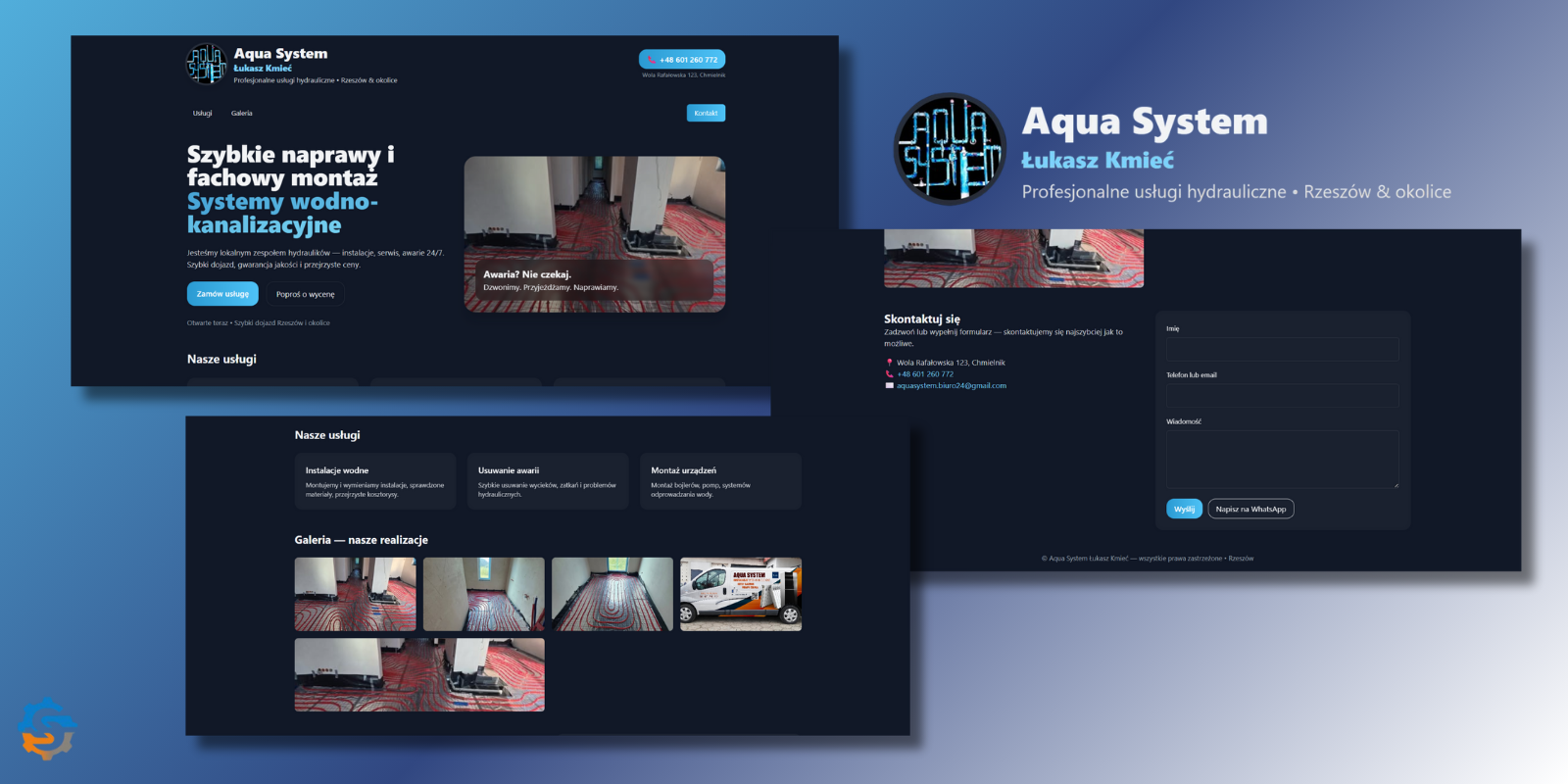
The project involved creating a modern and clear website for Aqua System, a company specializing in plumbing services. The goal was to present the offer in a professional and readable manner, while at the same time building trust among individual and business clients.
The site was designed based on a responsive layout that ensures full functionality on all devices — from computers to smartphones. A modern, technical design with accents in colors associated with water was applied, emphasizing the character of the industry. The site structure was optimized for offer clarity, local SEO, and quick access to the contact form.
The site included sections such as service descriptions, completed projects, client reviews, and contact details with a directions map.
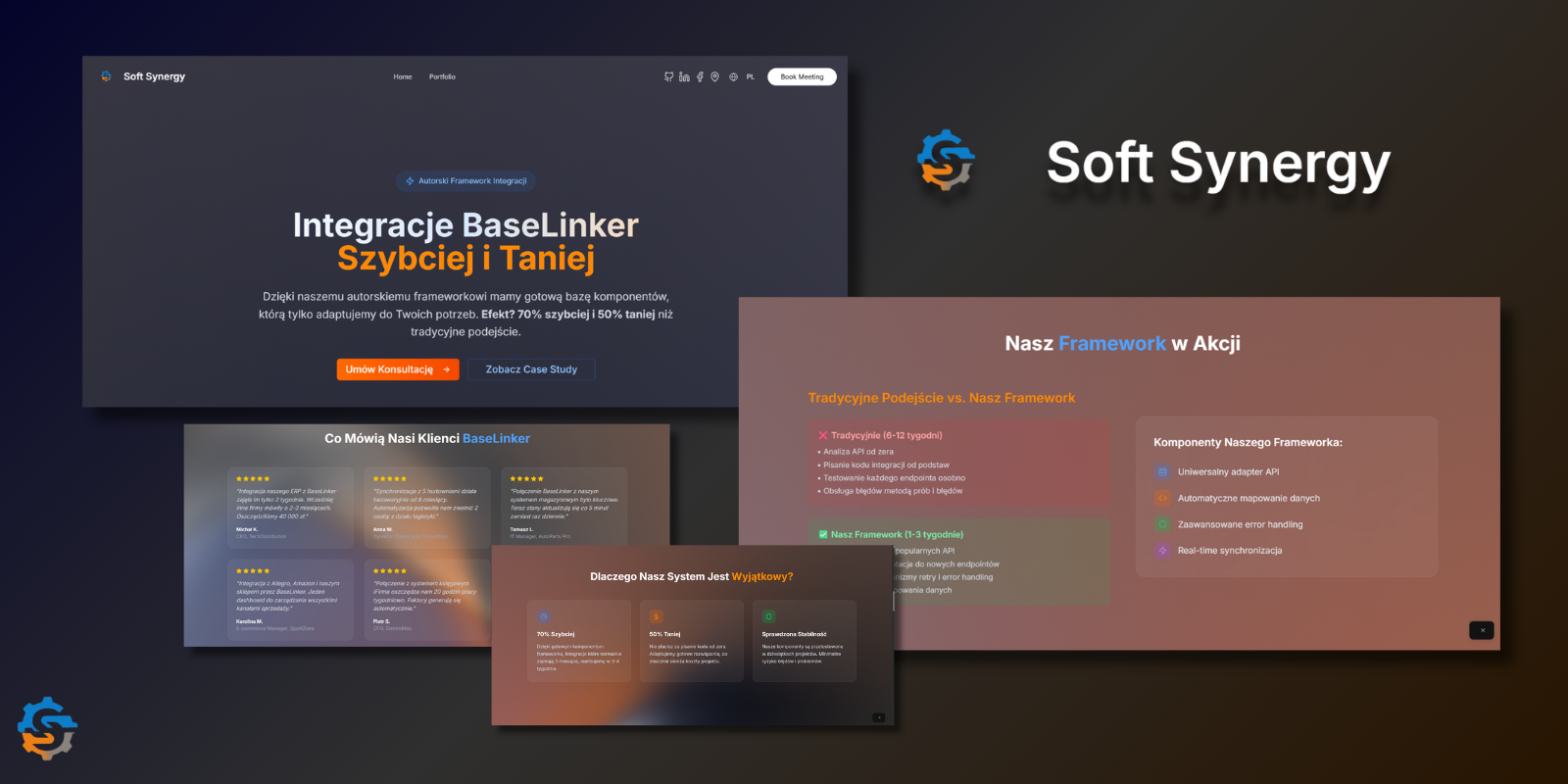
The BaseLinker Synchronization System project was developed as a proprietary integration solution enabling fast and flexible communication between any external API and the BaseLinker system. The goal of the project was to create a framework that allows for two-way data synchronization — including orders, products, stock levels, and shipment statuses — in real time, without the need for manual updates.
The system was built on Node.js, which ensures high performance when handling multiple simultaneous connections and low latency in API communication. The central element of the solution is a custom integration framework, designed in a modular way — each integration (e.g. with ERP, marketplace, e-commerce, or courier system) operates as a separate module, enabling quick implementation of new data sources without modifying the main code.
The communication layer based on the BaseLinker API allows for synchronization in both directions:
From BaseLinker → external system: automatic transmission of information about new orders, statuses, and client data.
To BaseLinker → from external system: real-time update of stock levels, prices, and product descriptions.
In order to ensure reliability and error resilience, a Job Queue with a retry mechanism and error logging was introduced. Data is temporarily stored in Redis memory, which allows for instant processing and synchronization without excessive API load.
The system was also equipped with an administration panel, enabling monitoring of current synchronizations, log preview, and manual forcing of updates. Additionally, webhook support was implemented, so that changes in one system are immediately transmitted to the other without the need for API polling.
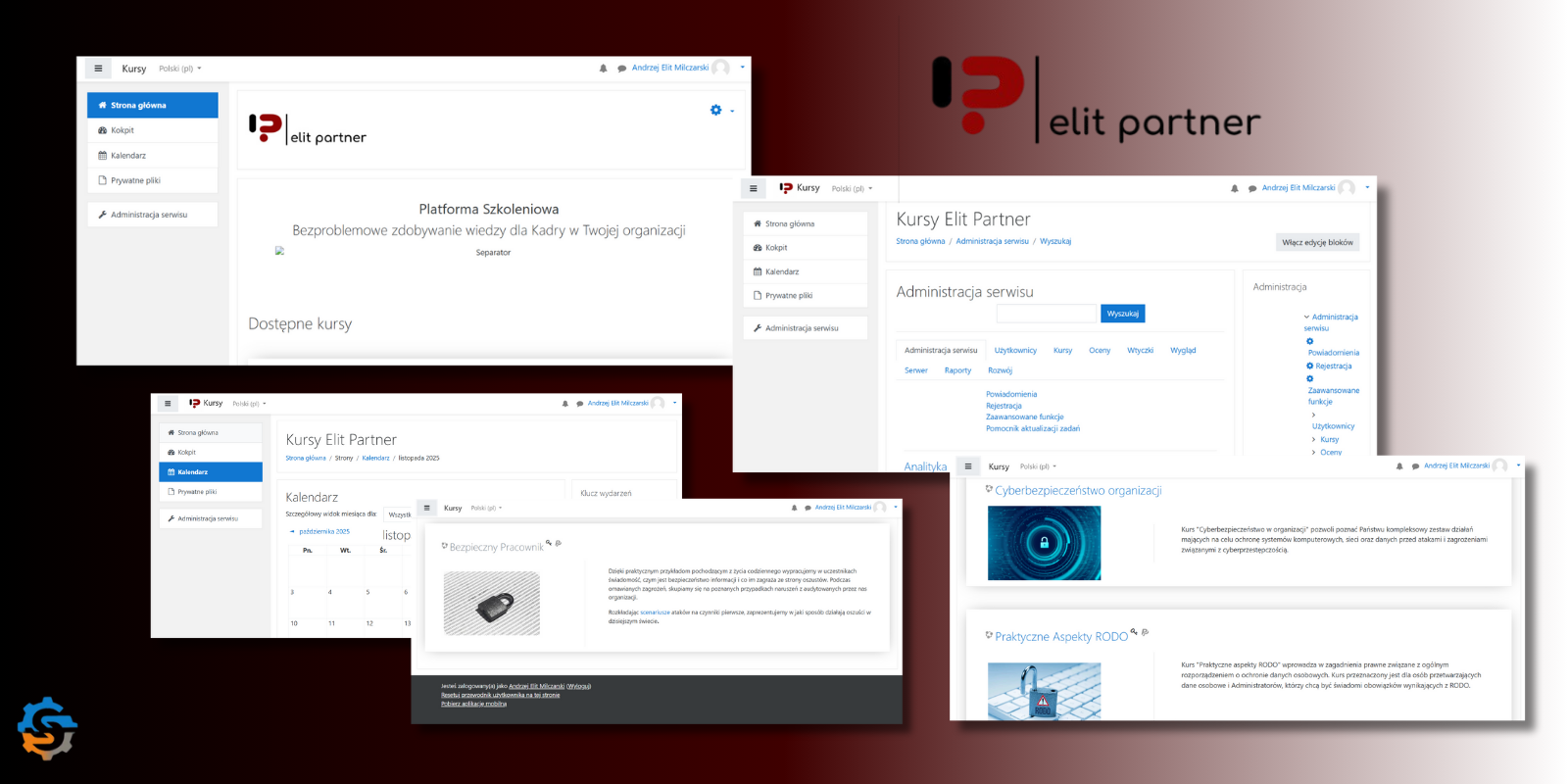
The ElitePartner project involved a comprehensive restructuring and migration of an existing Moodle-based e-learning platform from traditional shared hosting to a dedicated VPS server, with simultaneous performance optimization and security reinforcement. The goal of the implementation was to increase system stability, reduce course loading times, and ensure the security of participant and instructor data.
The process began with an infrastructure audit — performance bottlenecks, outdated plugins, and inefficient server configuration were identified. On this basis, a new environment architecture was developed based on a VPS with a Linux system, configured for Moodle (PHP-FPM, MariaDB, Redis Cache). The migration was carried out while maintaining the integrity of user, course, and certificate data, with a full backup and emergency recovery plan.
As part of the optimization, dynamic content caching, static resource minification, GZIP compression, and automatic session cleanup were implemented, among others. The database structure was optimized, reducing the average server response time by over 40%. At the application layer, module reorganization and an update to the latest stable version of Moodle were also introduced, while maintaining compatibility with the extensions in use.
Security matters covered the implementation of SSL certificates, strict firewall rules, SSH access restriction, brute-force attack protection, and automatic system updates. Additionally, real-time log monitoring and cyclically performed backups with data replication on an external resource were implemented.
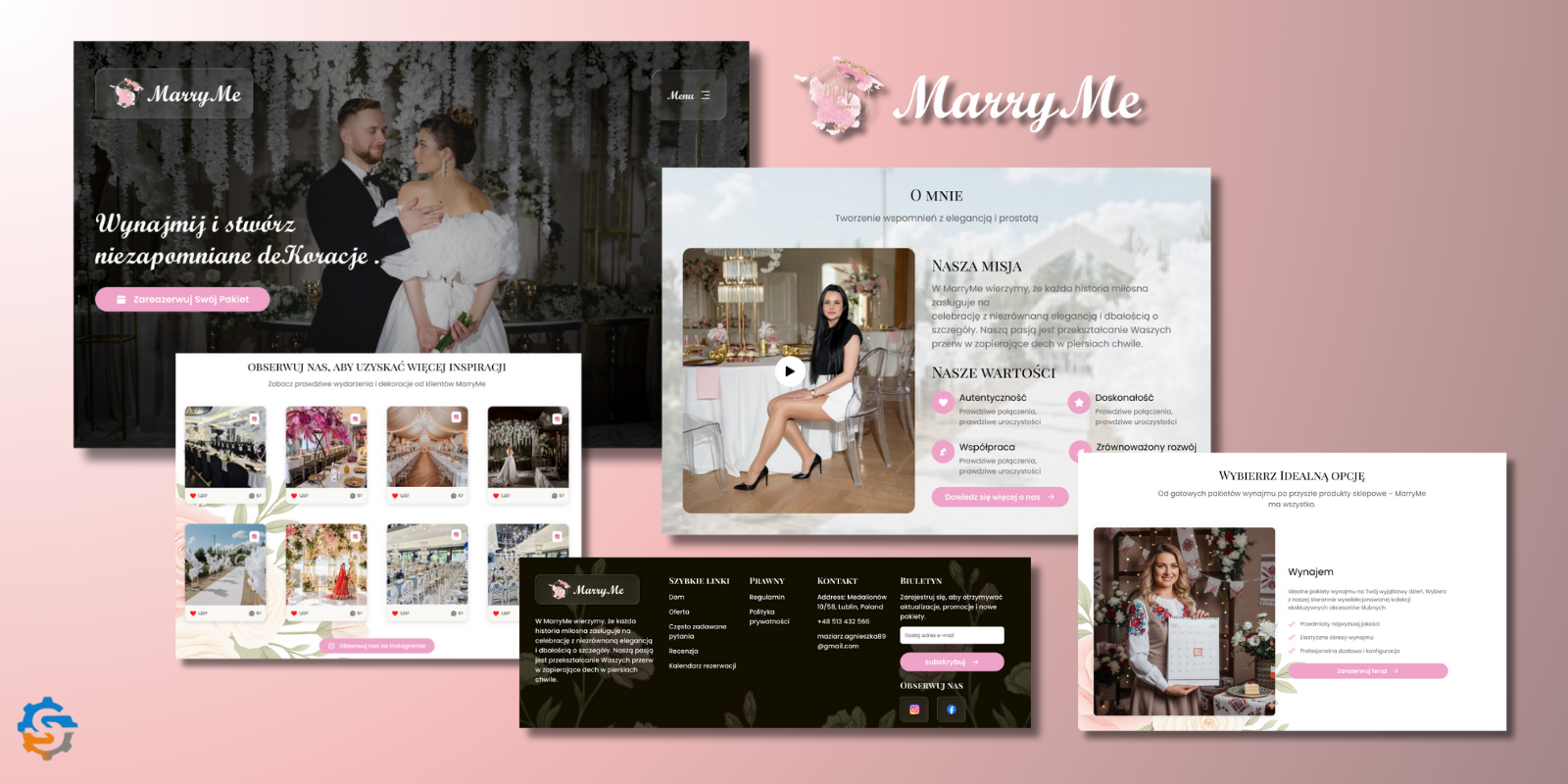
The MarryME project involved the comprehensive development of a visual identity and a complete package of graphic materials for a wedding rental company. The goal of the implementation was to create a consistent and elegant brand image that captures the emotions associated with wedding planning, while remaining functional and modern in terms of design.
The design process began with branding workshops, during which the brand values, communication tone, and aesthetic preferences of the target audience were defined. On this basis, a complete visual identity system was developed, encompassing a logotype, color palette, typography, and a set of graphic elements intended for use in online and printed materials.
At the digital layer, a user interface (UI) design was created for the website and reservation system, using the Figma tool. The designed interface focuses on maximum clarity and intuitiveness — UX Design principles were applied, including logical placement of elements, visual hierarchy, and clear conversion paths (CTA). All mockups were prepared in a responsive version with mobile devices in mind.
The graphic design was supplemented with marketing materials, including a set of social media templates, advertising banners, posters, and a product catalog in a minimalist style. The entire solution was maintained in a "modern romance" aesthetic — a combination of subtle pastels, off-white, and delicate contrasts.
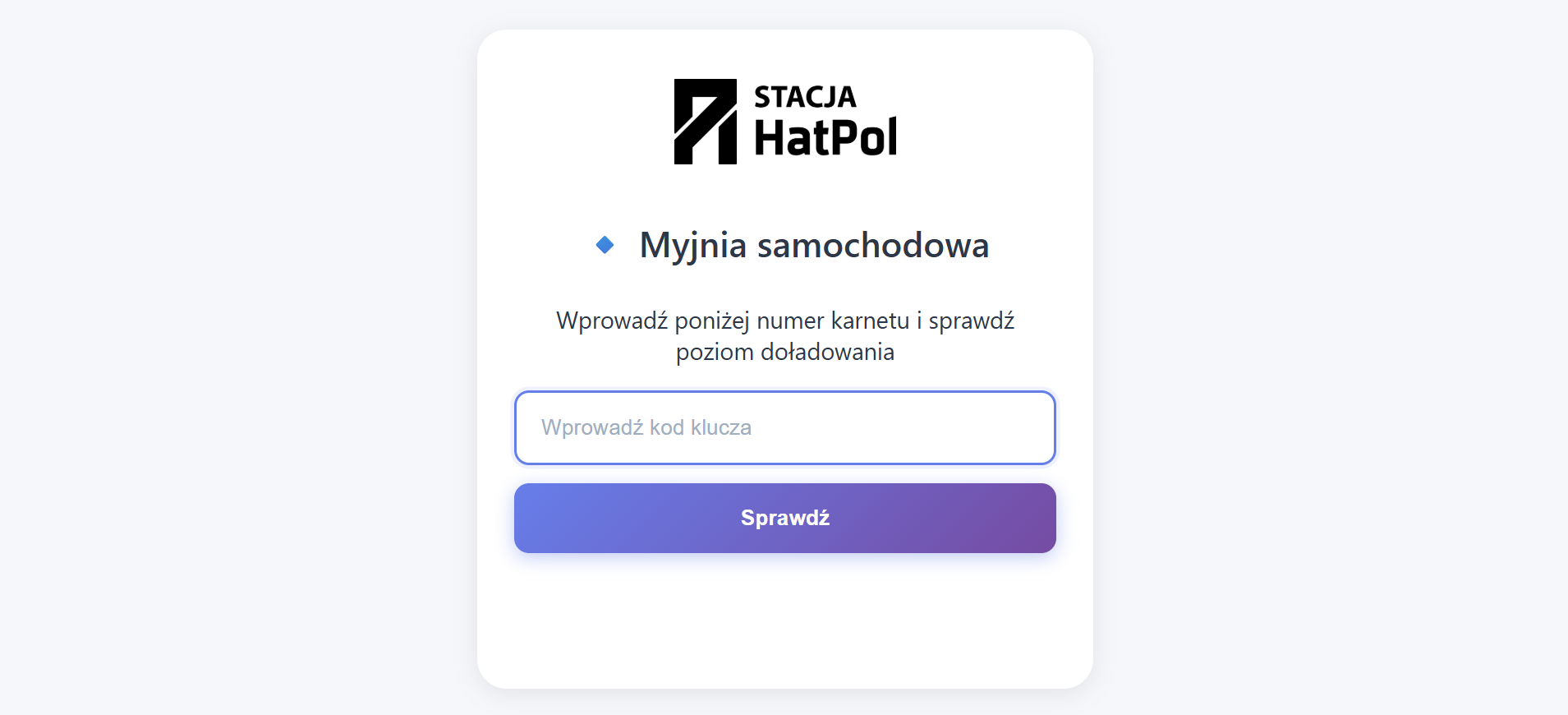
API Key Verification System for HatPol Car Wash Clients.
The project involved creating a lightweight, scalable script that automatically retrieves client data from the HatPol system via API and verifies the correctness of their access keys. The goal was to streamline the permissions management process and minimize errors resulting from expired or inactive keys.
The script was written in Python using libraries for HTTP request handling and multithreading, which allowed for parallel checking of multiple keys simultaneously and a significant reduction in execution time. For each client retrieved from the API, the system checked the status of their keys, expiration date, and any communication errors. The results were saved in JSON format as a report, which could then be analyzed or automatically transmitted to the HatPol administration panel.
Thanks to the implementation of the script, the key verification process was automated, enabling ongoing monitoring of client activity and quick response to access problems. The project improved system reliability and reduced the need for manual interventions by the technical department.
The LMS Sisoft project is the implementation of a modern e-learning system based on WordPress and the TutorLMS framework, designed with simplicity of operation and flexibility in managing educational content in mind. The goal of the project was to create a complete platform enabling the creation of courses, lessons, tests, and certificate generation in a fully automated manner.
The LMS system was configured and adapted to the individual needs of the client through template modification, integration with external plugins, and implementation of dedicated PHP extensions. An intuitive management panel was created, in which administrators can easily add video materials, single and multiple choice tests, and define course completion conditions.
From a UX/UI standpoint, the key goal was to maximize the simplification of the user path — from registration to course completion. The interface was designed based on a "learning flow" logic, allowing participants to easily track their progress and receive an automatically generated certificate upon completing the course.
Technically, the system was optimized for performance and stability. Data caching, multimedia material compression, and a lazy loading mechanism for video were implemented. The platform supports paid courses, with payment system integration and automatic access assignment after a transaction is completed.
WordPressTutorLMSE-learning
other
Ofertownik
The Ofertownik project is a dedicated web system designed for companies needing an effective tool for managing the quoting process. The application enables the creation, editing, versioning, and automation of commercial offers, as well as their generation in PDF format and secure sharing with clients via personalized links.
The system was built as a proprietary solution based on a modular architecture, enabling easy adaptation to the specifics of the client's industry. The key element of the project is an administration panel, providing full control over the sales pipeline — from offer creation, through its approval and sending, to tracking the status and client interactions.
The application supports offer versioning, allowing the preservation of change history and quick comparison of individual document versions. Additionally, a status system was implemented, enabling users to easily manage negotiation stages (e.g. "Sent", "Awaiting Acceptance", "Approved", "Rejected").
The PDF document generation module was integrated with a template mechanism, enabling dynamic substitution of offer data, graphics, and electronic signatures. Generated documents can be shared with clients via a public link with access control, and the system automatically tracks the moment of offer opening and viewing.
In terms of automation, a reminder function for expiring offers, automatic email notifications, and calendar integration (follow-up deadline synchronization) were implemented. As a result, the sales process is more transparent and less susceptible to manual errors.
From a technical standpoint, the application utilizes a modern web stack with REST API, JWT authorization, and an architecture based on reusable components. The system is optimized for performance and security, with the possibility of CRM or ERP integration.
The Fun Patrol — Playground Compliance & Maintenance Website
The Fun Patrol — Playground Compliance & Maintenance Website
Tech Stack: Wix CMS
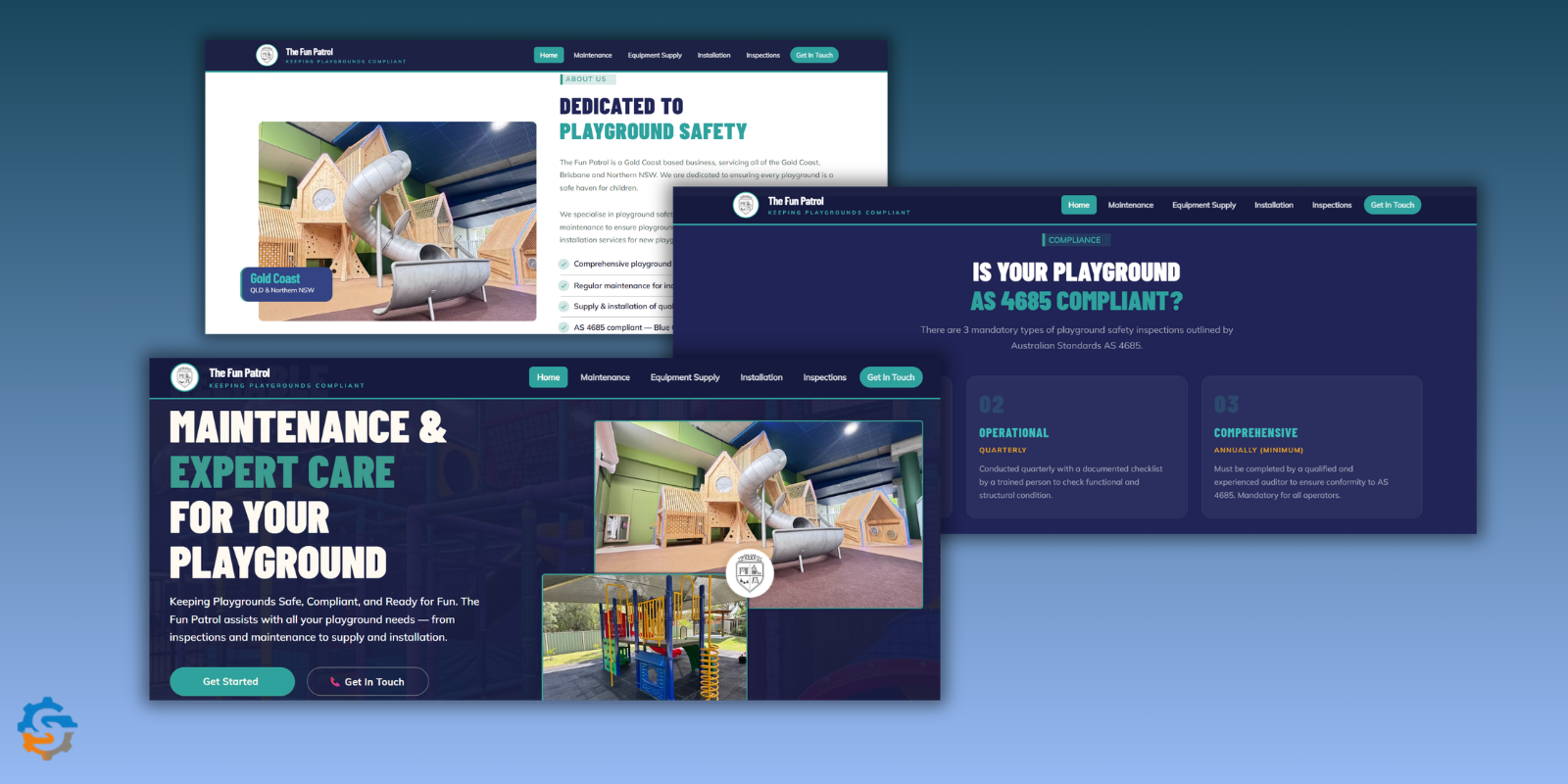
The Fun Patrol is a Gold Coast-based business providing playground safety, maintenance, inspection, and installation services across Gold Coast, Brisbane, and Northern NSW, Australia.
The project involved building a clean, conversion-focused business website using the Wix platform, tailored to attract B2B clients such as schools, councils, and indoor play centres. Key highlights of the implementation include:
Service-oriented page architecture — dedicated pages for Maintenance, Inspections & Audits, Equipment Supply, and Installation, each optimized with relevant keywords for local SEO targeting (Gold Coast, Brisbane, Northern NSW)
SEO-optimized structure — structured headings (H1–H3), concise meta-relevant copy, and keyword-rich content targeting terms like AS 4685 compliance, playground safety inspections, and playground maintenance Gold Coast
Clear conversion flow — strategic placement of CTAs ("Get In Touch", "Get Started") across all sections, supported by trust signals: Blue Card approval, AS 4685 certification, and 3-region service coverage
Mobile-responsive design — the layout adapts seamlessly across devices, ensuring accessibility for all users
Business credibility elements — compliance badges, service statistics, and benefit-driven sections (Reduced Legal Risk, Compliance Reminders, Extended Equipment Life) designed to build trust and drive inquiries
Contact integration — direct phone, email, and a contact form connected for lead generation
The result is a professional, SEO-friendly website that positions The Fun Patrol as the go-to playground compliance expert in Queensland and Northern NSW.
Upstairs — Real Estate Management & Rental Platform
Upstairs — Real Estate Management & Rental Platform
Tech Stack: Next.js (Frontend) · WordPress Headless CMS (Backend) · REST API
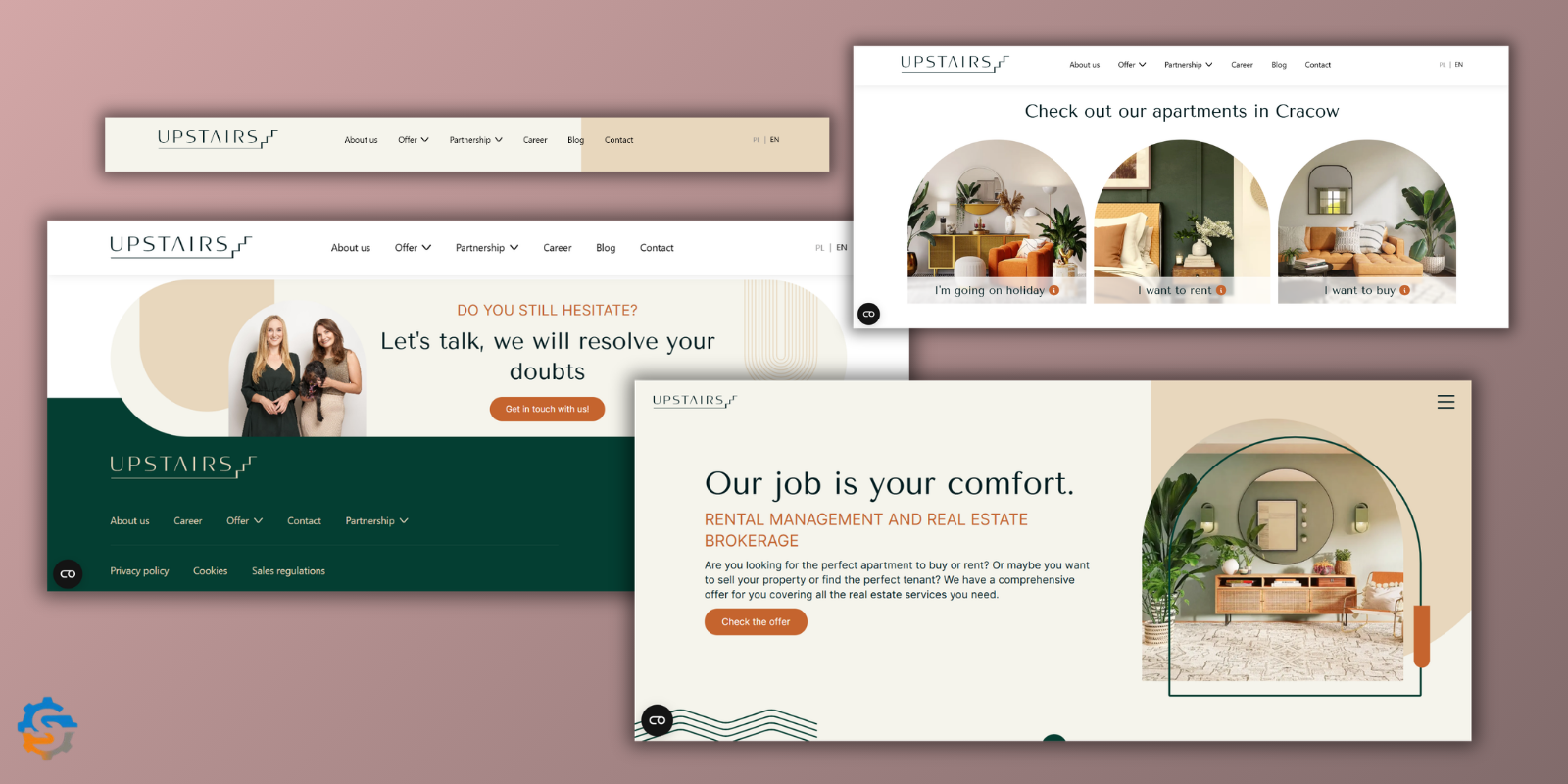
Upstairs is a Kraków-based property management and real estate agency offering short-term, long-term rental, and property sales services in Poland. With over 10 years of experience, 190+ managed properties, and 16,000+ guests served, the platform needed a modern, scalable web presence to match its growing operations.
The project involved building a high-performance, SEO-optimized website using a headless CMS architecture — decoupling the content management layer (WordPress) from the frontend rendering layer (Next.js). Key technical and strategic implementations include:
Headless CMS Architecture — WordPress serves as the content backend via REST API (adminpanel.dkonto.pl), while Next.js handles frontend rendering, enabling fast content updates without redeployments
Next.js SSR & SSG — Server-Side Rendering and Static Site Generation ensure optimal page load performance and Core Web Vitals scores, critical for SEO ranking in a competitive real estate market
SEO-optimized content structure — keyword-targeted pages for zarządzanie najmem Kraków, wynajem apartamentów Kraków, and pośrednictwo nieruchomości, supported by a blog section for content marketing
Conversion-focused UX — intent-based user segmentation on the homepage ("Jadę na wakacje / Chcę wynająć / Chcę kupić") routes visitors to the most relevant offer page, reducing bounce rate and increasing qualified lead generation
Bilingual support — Polish/English language toggle built into the navigation for international visitors
Trust & social proof elements — animated statistics counters (1000+ rentals, 11M+ PLN revenue, 365-day availability) strategically placed to build credibility
PDF asset integration — downloadable rental agreement template embedded as a lead generation tool
Performance optimization — Next.js Image component with webp format and responsive sizing for all visual assets
The result is a fast, conversion-optimized, and SEO-ready real estate platform that effectively positions Upstairs as the leading property management partner in Kraków.
Epic TUBE — Custom-Made Protective Covers E-Commerce Platform
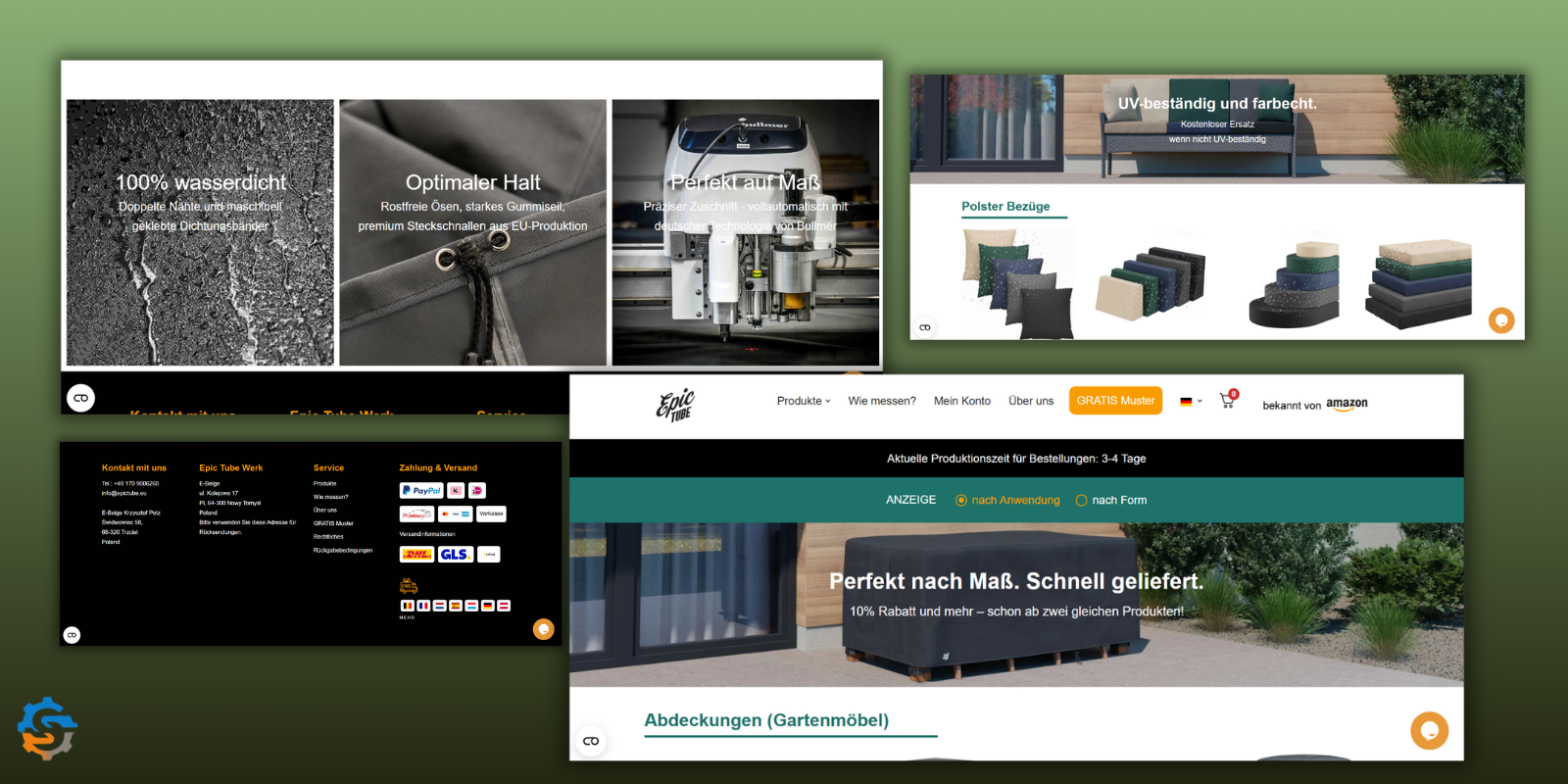
Tech Stack: WordPress · WooCommerce · Neve Theme · TranslatePress · WooMultiCurrencyEpic TUBE is a Polish e-commerce brand operating across European markets, specializing in custom-sized protective covers for garden furniture, vehicles, outdoor equipment, and accessories. The platform serves customers across Germany, the Netherlands, France, Italy, Spain, and Poland, with production completed within 3–4 business days.The project involved building a full-featured, multilingual e-commerce platform using WordPress and WooCommerce, optimized for B2C conversion and cross-border European sales. Key technical and strategic highlights:
WooCommerce as the e-commerce engine — complete product management, dynamic pricing, order processing, and customer accounts, configured for custom/variable product types where buyers input their own dimensions (length, width, height) per order
Multilingual architecture via TranslatePress — fully translated storefront in 6 languages (German, English, Italian, French, Spanish, Dutch, Polish), with language-specific URLs (e.g., /en/, /it/, /pl/) for hreflang SEO targeting across European markets
Multi-currency support via WooMultiCurrency — automatic currency switching between EUR and PLN based on visitor language/region, enabling seamless cross-border purchasing
SEO-optimized product structure — granular product pages targeting long-tail keywords such as Abdeckung nach Maß, Tischabdeckung nach Maß, and wasserdichter Kissenbezug — each product type has its own dedicated URL, title, and description
Payment gateway integration — PayPal, Klarna (Buy Now Pay Later), iDEAL (Netherlands), Przelewy24 (Poland), and credit card processing via a unified checkout experience
Logistics API integration — DHL, GLS, and InPost shipping carriers integrated into the order fulfillment flow, with country-based free shipping logic
Amazon channel integration — the brand is also listed on Amazon.de, with a cross-promotional banner linking between the website and the marketplace
Conversion UX — product filtering by use case ("nach Anwendung") and by shape ("nach Form"), free sample CTA ("GRATIS Muster"), and trust badges (100% waterproof, UV-resistant, IPX8 certified) strategically placed throughout the funnel
Performance-optimized media — .webp image format used across all product and banner images for fast load times in international markets
The result is a conversion-optimized, multilingual European e-commerce platform that enables Epic TUBE to sell custom protective products across 6+ countries with a fully automated order-to-fulfillment workflow.
Gdańsk By Bike — Bike Tour & Rental Booking Platform
Gdańsk By Bike — Bike Tour & Rental Booking Platform
Tech Stack: SvelteKit (Frontend) · Appwrite (Backend-as-a-Service) · Cloudflare CDN
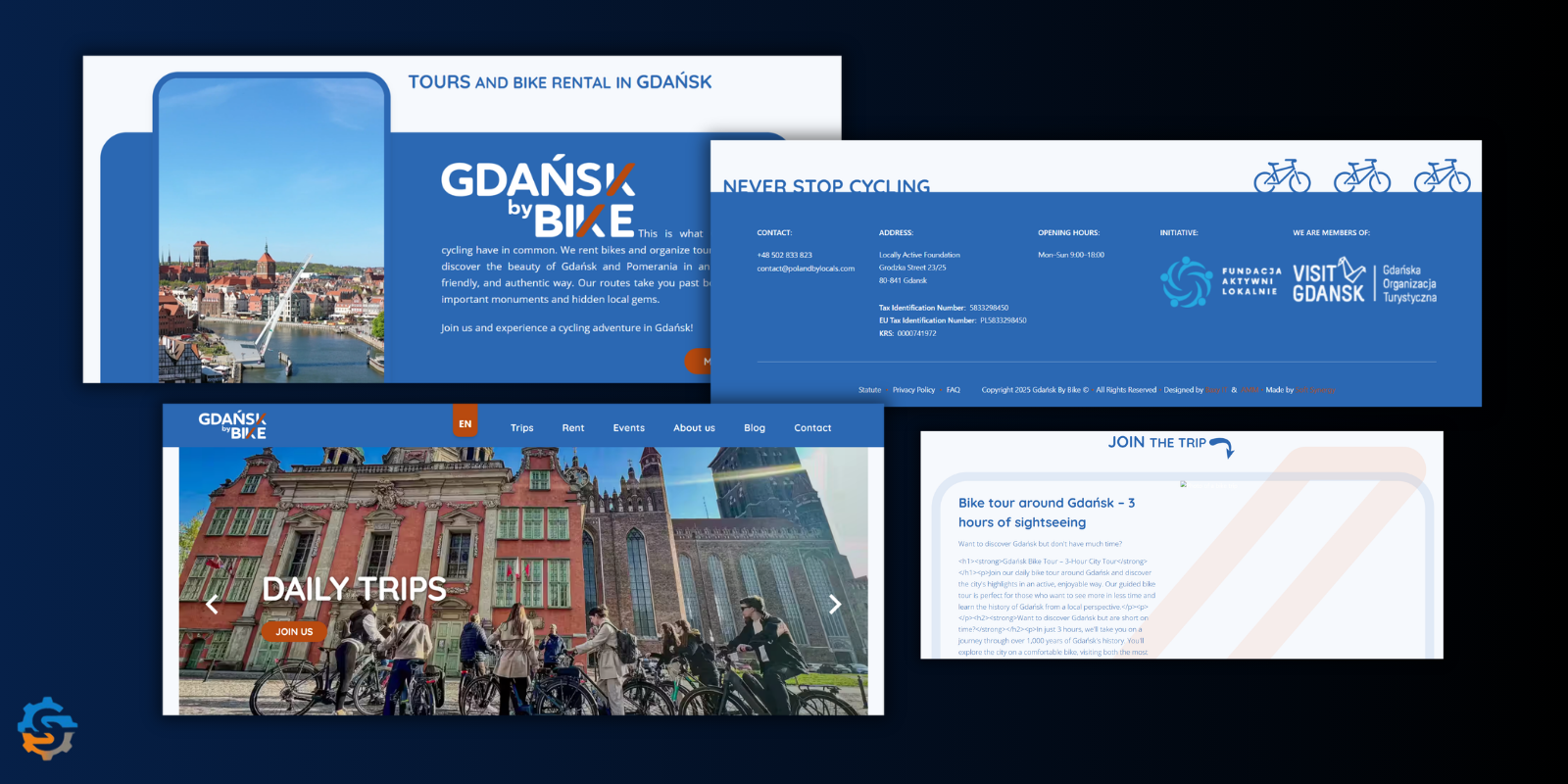
Gdańsk By Bike is a cycling tourism brand run by the "Fundacja Aktywni Lokalnie" foundation in Gdańsk, Poland, offering guided bike tours, group tours, bike rentals, and event services. The platform serves both individual tourists and group clients exploring Gdańsk and the Pomerania region.
The project involved building a modern, high-performance booking and presentation platform using SvelteKit as the frontend framework, paired with Appwrite as the Backend-as-a-Service (BaaS) for content and media management. Key technical and strategic highlights:
SvelteKit SSR architecture — the application is built on SvelteKit, enabling Server-Side Rendering for fast initial page loads and excellent Core Web Vitals performance, critical for SEO in the competitive tourism/travel niche
Appwrite as BaaS — Appwrite handles file storage, database management, and content delivery for dynamic assets (tour images, tour descriptions, pricing), with media served via Appwrite's CDN (fra.cloud.appwrite.io) for globally optimized delivery
Bilingual platform (PL/EN) — full Polish and English language support with dedicated URL routes (/pl, /en), enabling international tourist discovery through multilingual SEO
SEO-optimized content structure — structured H1/H2 heading hierarchy embedded within dynamic tour content, targeting high-intent keywords such as wycieczka rowerowa po Gdańsku, zwiedzanie Gdańska rowerem, and wynajem rowerów Gdańsk
Tour booking & event system — interactive tour listing with key info (distance: 16km, start time: 10:00), CTA-driven booking flow ("DOŁĄCZ"), and separate sections for daily tours, group tours, rentals, and events
Responsive image optimization — .avif format used across all hero and gallery images with multiple responsive breakpoints (480w, 960w, 1280w), delivering optimal performance across all device sizes
Cloudflare CDN — static assets and email protection handled via Cloudflare (cdn-cgi), ensuring fast load times and security across European visitors
Blog & gallery modules — dedicated content sections to support ongoing SEO content marketing and visual storytelling for the brand
The result is a fast, SEO-ready, and visually engaging tourism platform that effectively positions Gdańsk By Bike as the leading guided cycling experience provider in Gdańsk.
The Potter's House — Premium Fashion E-Commerce Store
The Potter's House — Premium Fashion E-Commerce Store
Tech Stack: Shopify · Custom Liquid Theme · Instagram Feed Integration
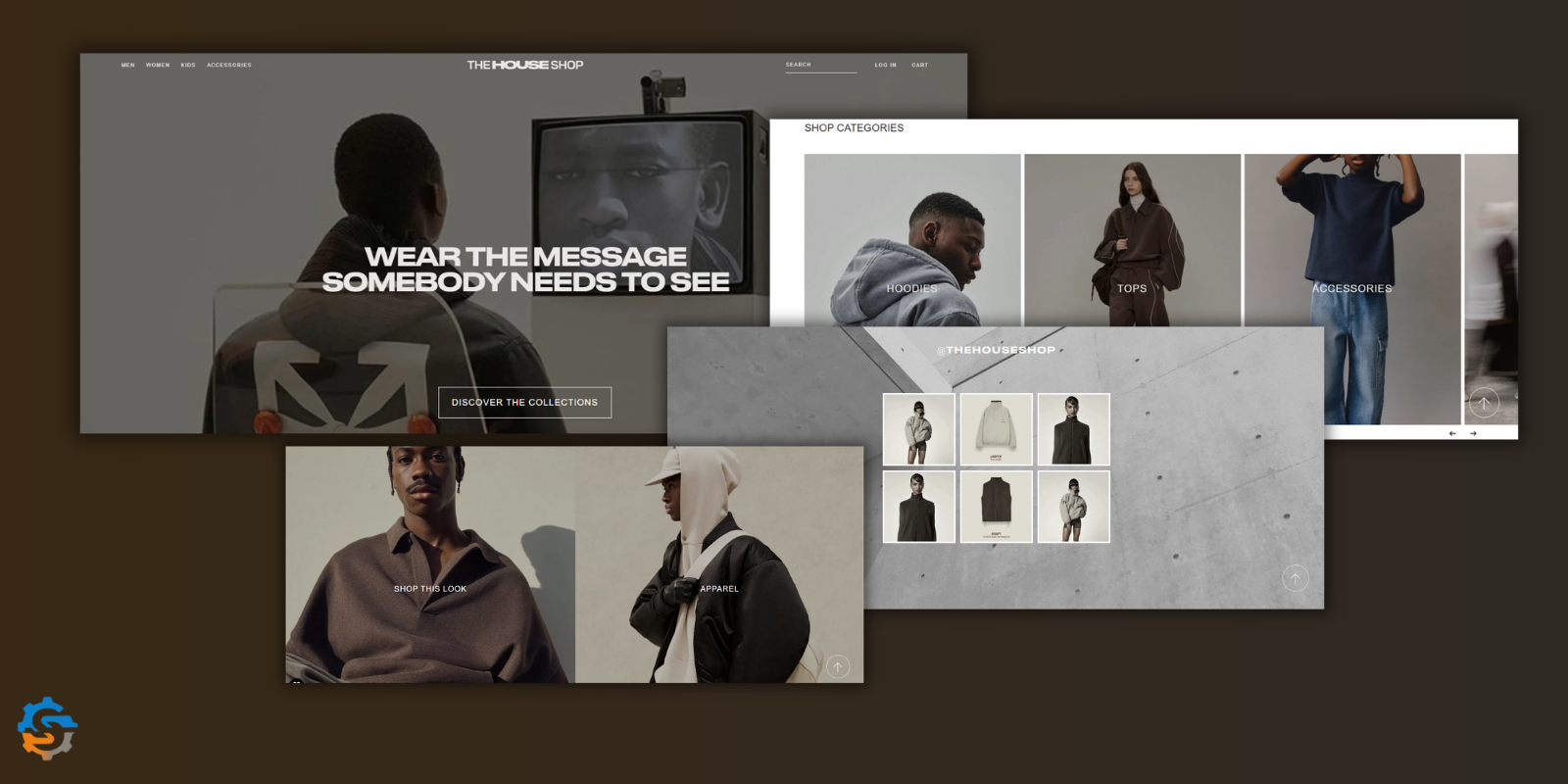
The Potter's House is a premium streetwear and apparel brand built on Shopify, featuring a fully custom-designed storefront with a dark, editorial aesthetic targeted at a fashion-forward audience. The store carries men's, women's, kids', and accessories collections with a bold brand identity centered around the tagline "Wear The Message Somebody Needs To See."
The project involved developing a custom Shopify theme with high-end visual design and conversion-optimized UX. Key technical and strategic highlights:
Custom Shopify Liquid theme — a fully bespoke storefront built from the ground up (or heavily customized from a base theme), delivering a dark, cinematic aesthetic that differentiates the brand from generic Shopify templates
Full-screen hero section with video background — the homepage opens with an immersive full-screen editorial hero featuring a bold typographic headline and a primary CTA ("Discover The Collections"), creating strong first-impression impact
Category-based navigation architecture — top navigation segmented into Men, Women, Kids, and Accessories, with a dedicated "Shop Categories" grid section (Hoodies, Tops, Accessories) for intuitive product discovery and improved internal linking for SEO
"Shop The Look" editorial sections — lifestyle photography sections with inline CTAs ("Shop This Look", "Apparel") that bridge editorial content with direct product conversion, a key tactic in fashion e-commerce
Instagram Feed integration — a shoppable @thehouseshop Instagram grid embedded directly on the homepage, providing social proof, fresh visual content, and cross-channel engagement between the store and social media
SEO-optimized collection structure — dedicated collection pages per category (Hoodies, Tops, Accessories) with clean URL architecture, enabling search visibility for category-level keywords
Minimalist, high-contrast UI — neutral earth tones (warm browns, off-whites, slate grays) paired with bold white typography create a luxury streetwear aesthetic consistent with premium fashion brands
Mobile-responsive layout — the editorial grid and hero sections are fully optimized across breakpoints, ensuring a seamless experience for mobile-first shoppers
The result is a visually striking, conversion-focused Shopify store that positions The Potter's House as a premium fashion brand with a strong editorial identity and a seamless path from discovery to purchase.
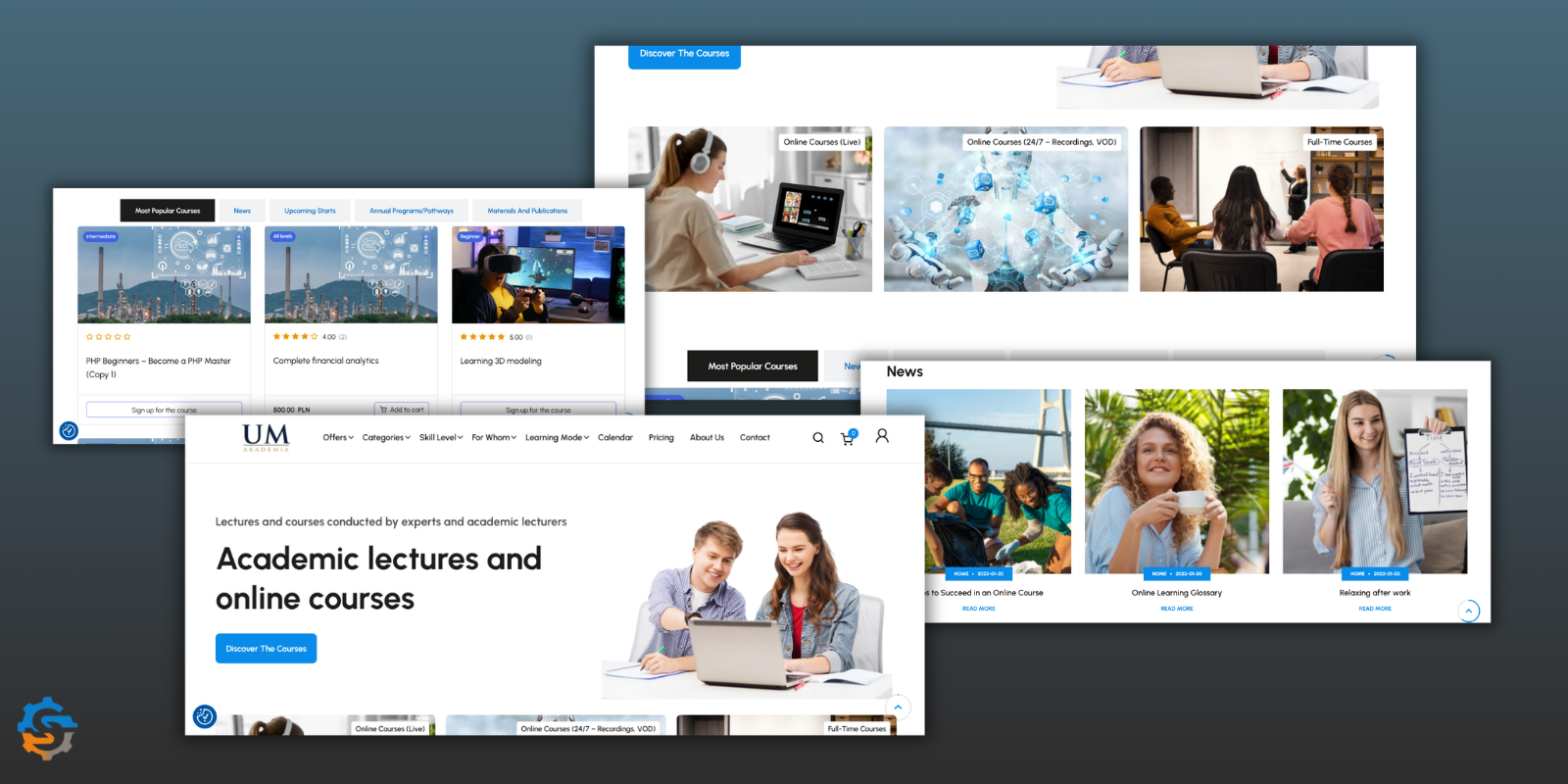
Akademia UM — Youth Academic E-Learning & Course Marketplace Platform
Akademia UM — Youth Academic E-Learning & Course Marketplace Platform
Tech Stack: WordPress · WooCommerce · Tutor LMS · WooCommerce BookingsAkademia UM (Uniwersytet Młodzieżowy) is a Warsaw-based educational institution offering academic courses and lectures for youth aged 10–19, operated in partnership with organizations such as the Fundacja Nauki Edukacji i Innowacji, Międzynarodowy Uniwersytet Młodzieżowy, and Polska Akademia Nauk. The platform serves students, parents, schools, and educators across Poland with over 10,000 students enrolled.The project involved building a full-featured LMS (Learning Management System) and e-commerce platform using WordPress, combining WooCommerce for product/payment handling with Tutor LMS for course delivery. Key technical and strategic highlights:
Dual LMS + E-Commerce architecture — the platform integrates Tutor LMS (for structured course management, enrollment, progress tracking, student dashboards, and ratings) with WooCommerce (for paid course purchases, discount/strikethrough pricing, and cart/checkout flow), creating a seamless learn-and-buy experience in a single WordPress installation
Multi-modal learning delivery — courses are segmented across four delivery types: in-person (Stacjonarnie), live online (Online na żywo), recorded VOD (Online 24/7 – nagrania), and hybrid (Hybrydowo), each with dedicated filtered URLs for SEO and UX clarity
Advanced taxonomy & filtering architecture — custom taxonomies built for filtering by Category (Medicine, Law, Psychology, Other), Skill Level (Beginner to Specialist/Premium), For Whom (Classes, Parents, Teachers, Students, Adults), and Learning Mode — enabling granular product discovery and long-tail SEO targeting
Training Calendar module — a dedicated course schedule page (/training-calendar/) for upcoming in-person and live sessions, supporting event-based enrollment and date-specific bookings
Pricing plan & discount system — WooCommerce strikethrough pricing (e.g., 200 zł → 150 zł) and tiered pricing plans (/pricing-plan/) drive urgency and conversion across course listings
Student review & rating system — Tutor LMS star rating and review functionality displayed per course, building social proof and trust for prospective students and parents
Testimonials & partner trust section — structured testimonial carousel and partner logo section showcasing institutional partnerships (6+ academic organizations), reinforcing platform credibility
SEO-optimized content structure — keyword-rich H1/H2 headings targeting terms like kursy dla młodzieży, kursy medycyna online, wykłady akademickie dla dzieci, and kursy online Warszawa, supported by a blog for ongoing content marketing
Multi-channel social integration — linked to Facebook, YouTube, Instagram, and TikTok, supporting a broad organic discovery funnel for a youth-focused brand
The result is a scalable, fully featured edtech marketplace that merges academic credibility with seamless digital course delivery, enabling Akademia UM to sell, schedule, and deliver both online and in-person educational experiences from a single platform.
WordPressWooCommerceLMS
Design Portfolio
Check out our design and graphic projects on Behance

 web
web